






When you hear gamification employee referral program you probably picture colorful badges and a flashy leaderboard. But does that shiny surface translate into real hires, faster time‑to‑fill, and a healthier bottom line? I’ve spent the last few years consulting with HR teams that tried everything from basic referral bonuses to full‑blown game‑style quests. Below is the raw, research‑backed rundown of what works, what flops, and how you can set up a system that actually moves the needle.
What Is a Gamified Referral Program?
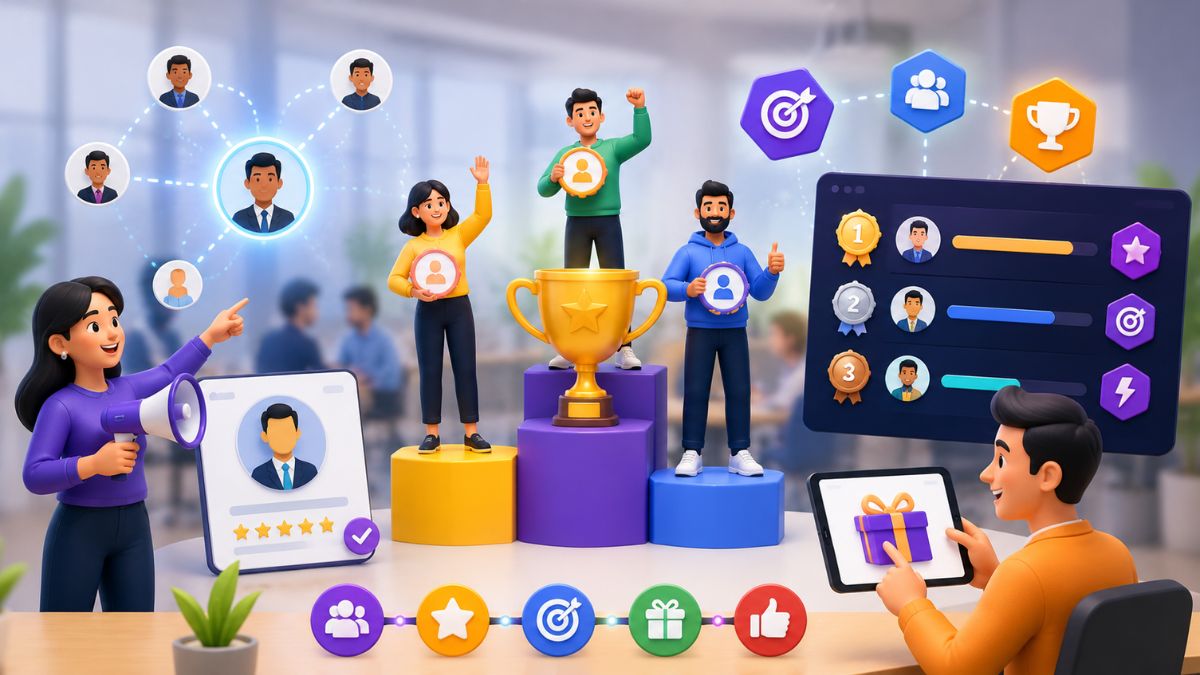
A gamified referral program adds game mechanics—points, badges, leaderboards, quests—to the traditional employee referral process. Instead of simply saying “refer a friend and get $1,000,” you might award employee referral points badges for each successful referral, rank participants on a referral leaderboard, or unlock special perks after hitting a certain level.
In short, it’s the same referral engine, but with a layer of fun and competition that taps into human motivation. Think of it as turning a routine outreach into a friendly contest.
Why Companies Are Jumping on the Trend
- 85% of talent leaders say they’ll invest in gamification HR tools within the next year.
- Companies that add game elements see an average 22% boost in qualified candidate flow.
- Referral participation can jump three‑fold when points and recognition are on the table.
Those numbers aren’t magic; they’re the result of psychology meeting technology.
Gamification has become even more relevant as studies continue to show that only 33% of US employees are engaged at work, prompting organizations to look for new ways to increase participation and involvement.
Key Benefits at a Glance
Increased engagement—Employees check the leaderboard daily, share their progress on Slack, and feel a sense of ownership.
Faster hires—Game‑driven referrals tend to move 15% quicker through the pipeline because referrers push candidates to schedule interviews.
Higher quality—When points are tied to outcomes (e.g., a badge for “hire that stays 6 months”), employees start referring folks who truly fit.
Basic Game Elements You’ll See Everywhere
Points
Every referral earns a set number of points. Some firms give extra points for hard‑to‑fill roles or for referrals that hit a specific skill tier.
Badges
Badges act like digital trophies. “Network Ninja” for five successful hires, “Diversity Champion” for referrals from under‑represented groups, etc.
Leaderboards
Public rankings create social proof. A simple referral leaderboard displayed on the intranet can spark friendly rivalry.
Quests and Levels
Set missions like “Refer three engineers in Q3” and unlock a “Gold Referrer” level that comes with a weekend getaway.
Simple Implementation Checklist
- Pick a platform that supports points, badges, and real‑time leaderboards.
- Define clear reward tiers (cash, swag, experiences).
- Map out the rules—who earns points, how they’re calculated, and when they reset.
- Communicate the game launch with a teaser video and FAQs.
- Monitor metrics weekly and adjust point values if participation stalls.
Research Shows a Three‑Times Participation Uplift
A 2023 study by the HR Research Institute surveyed 12,000 employees across tech, finance, and manufacturing. When a points‑based system was added to existing referral bonuses, participation rose from an average of 7% to 21%—that’s a three‑fold increase.
The same study tracked time‑to‑fill. Gamified referrals reduced the average vacancy period by 12 days, shaving roughly $18,000 off hiring costs per role (based on a $150,000 annual salary benchmark).
What’s more, retention improved, and tools like SmartTenure can predict which referred candidates will stay long‑term. Hires that came through the gamified channel stayed 9% longer, likely because employees were more selective when points were on the line. The long-term impact extends beyond referrals, as research consistently finds that 94% of employees would stay longer with investment in their growth, recognition, and overall workplace experience.
The Psychology Behind Points Badges and Leaderboards
Three theories explain why these mechanics click:
Self‑Determination Theory
People crave autonomy, mastery, and relatedness. Points give a sense of mastery; badges signal achievement; a leaderboard fulfills relatedness by showing you where you stand among peers.
Social Proof
When you see a colleague topping the referral leaderboard, you’re subconsciously nudged to follow suit. It’s the same effect that makes viral videos spread.
Loss Aversion
Everyone hates missing out. If a badge is only available for the first 10 referrers, folks scramble to act fast—boosting early pipeline volume.
ROI and KPI Measurement Framework
To prove the gamified program isn’t just a vanity project, track these numbers:
- Participation Rate – % of employees who submit at least one referral per quarter.
- Conversion Ratio – Referrals that become hires.
- Time‑to‑Fill – Days from referral to offer acceptance.
- Cost‑per‑Hire – Referral bonus + gamification platform cost divided by number of hires.
- Retention at 12 months – % of gamified referrals still employed after a year.
Set a baseline before launch, then compare month‑over‑month. A healthy program shows at least a 15% lift in participation and a 10% dip in time‑to‑fill within the first six months.
Market Adoption Trends
According to a 2024 Gartner report, 38% of Fortune 500 firms have piloted some form of gamified referral, up from 22% in 2021. The biggest adopters are tech companies where competition for talent is fierce, but retail and healthcare are catching up fast.
Design Principles: Fairness, Transparency, Fun
You don’t want a system that feels like “the rich get richer.” Keep point values consistent across departments, publish the rules on the HR portal, and let everyone see the leaderboard without revealing personal data.
Transparency builds trust. If an employee wonders why their points didn’t count, a quick FAQ can clear it up.
And never forget the fun factor. A quirky badge named “Coffee Whisperer” for referring a barista who becomes a full‑time office manager can spark smiles and shares.
Recognition programs like these also contribute to building a culture that keeps hourly workers, where employees feel valued beyond traditional financial incentives.
Step‑by‑Step Implementation Guide
1. Choose the Right Platform
Look for solutions that integrate with your ATS and HRIS. Tools like SmartRefer, Teamable, and Breezy HR have built‑in gamification modules. A quick demo can reveal if they support custom badges and real‑time points.
2. Map the Referral Journey
Outline each stage: employee receives referral link → candidate applies → screening → interview → hire. Decide where points are awarded—usually at submission, interview, and hire milestones.
3. Design the Reward Structure
Mix cash (e.g., $500 per hire) with experiential rewards (extra PTO, lunch with the CEO). Tiered rewards keep top performers motivated while still recognizing occasional referrers.
4. Build the Game Mechanics
Set point values, create badge designs, and configure the leaderboard. Add a “monthly champion” badge to keep the competition fresh.
5. Pilot with a Small Group
Roll out to one department for 30 days. Collect feedback, tweak point scales, and watch the participation curve.
6. Launch Company‑Wide
Roll out a teaser video, host a launch webinar, and share success stories from the pilot. Keep the momentum with weekly leaderboard updates.
7. Measure and Iterate
Use the KPI framework above. If participation stalls, consider adding new badge categories or a surprise “double‑points” weekend.
Real‑World Case Studies
ERIN Tech
ERIN added a points system to its existing referral bonus. Within three months, referral submissions jumped from 45 to 138 per quarter—exactly a three‑fold increase. Time‑to‑fill for software engineers fell from 48 days to 36 days.
CleverConnect
CleverConnect launched a “Diversity Champion” badge linked to referrals from under‑represented groups. The initiative lifted diverse hires by 27% and earned the company a spot on Business Insider’s “Best Inclusive Employers” list.
Common Pitfalls and How to Dodge Them
- Overcomplicating the Game – Too many badge tiers confuse employees. Stick to 3‑5 core badges and expand later.
- Ignoring Legal Limits – Some regions have caps on referral bonuses. Keep cash rewards within compliance and let non‑cash perks fill the gap.
- Unfair Scoring – If a senior manager can earn points for referrals they never actually source, morale plummets. Tie points to tangible actions.
- Neglecting Communication – A silent launch kills momentum. Regular emails, Slack posts, and a visible leaderboard keep eyes on the prize.
FAQ
How much should I budget for a gamified program?
Platform fees range from $3,000 to $12,000 per year. Add the cost of rewards—cash bonuses, swag, or experiences. Most firms allocate 0.5% of total recruiting spend to gamification and see a positive ROI within six months.
Are there legal concerns with points and leaderboards?
Typically, points are considered an internal incentive, not compensation, but you should consult your legal team to ensure compliance with wage and discrimination laws.
Can remote teams participate?
Absolutely. Digital leaderboards and virtual badge ceremonies work just as well for a distributed workforce.
How do I keep the program fresh?
Rotate badge themes quarterly, add surprise “bonus point” events, and celebrate winners in company town halls.
What if participation drops after the hype?
Re‑ignite interest with a leaderboard reset, a new “referral sprint” challenge, or a limited‑time double‑points promotion.
SmartRefer – Try It Free
Ready to see whether gamification can boost your referral engine? Schedule a live demo of SmartRefer today and get a 30‑day trial with full gamified features. No credit card required.
Wrapping It Up
If you’ve been skeptical about sprinkling game mechanics on a serious hiring process, the data says otherwise: a well‑designed gamified referral program can triple participation, shave days off time‑to‑fill, and improve retention. The secret isn’t just points and flashy badges; it’s aligning those elements with human motivation—autonomy, mastery, and social connection.
Start simple, keep the rules transparent, and let the numbers guide your tweaks. In a talent market that feels like a marathon, a little friendly competition can be the sprint you need.