






What is the future of recruitment? That is the question that many hiring teams and HR professionals are asking themselves as recruitment is continually innovated with AI and automation measures. Businesses are striving to adapt to a fast-paced hiring strategy to fulfill the expectations of candidates, maintain company productivity, and fulfill customer needs.
One of the best technological advancements in the recruitment space is applicant pooling using AI. Companies are now shifting towards managing a pipeline of qualified candidates even before a recruitment campaign starts thanks to advancements in applicant pooling. This strategic shift has enhanced hiring efficiency while instituting a more dynamic approach to refine recruitment outcomes.
The Evolution of Recruitment

Hiring has been historically time-consuming with a high consumption of resources. Before the Internet, companies had to post their jobs on physical job boards that people had to come to look at in person. When people placed their applications at in-store kiosks, HR professionals had to sift through stacks of resumes to find the highest quality candidates. Even with these laborious yet careful methods, the process was prone to human error.
Implementing an applicant pool for recruitment is now the modern era of maintaining efficient hiring practices. Rather than tapping into sponsored job posts to procure candidates at the time a position opens, the company can build an applicant pool over time with evergreen job postings to maintain access to quality talent at all times. Hence, a company can be ready for a recruitment campaign by immediately drawing from the applicant pool to start the interview and selection process.
Utilizing AI and automation in the 21st century’s hiring processes has generated more value in increasing candidate quality, reducing time-to-hire, and maintaining productivity while filling requisitions. Individuals can be onboarded with their company of choice more quickly with less administrative burden on recruitment teams.
Building An Applicant Pool With AI
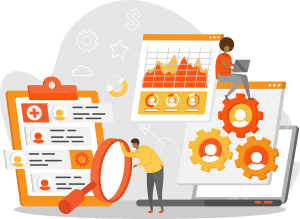
Developing an applicant pool with AI is encouraging more refined data-driven hiring decisions. AI can now categorize candidates based on their educational backgrounds, technical skill sets, and other key qualifications needed for open positions. Automating this portion of the selection process is important for hastening time-to-hire.
Hence, regularly reviewing recruitment analytics can help you to improve different stages of your hiring process. Continuously monitoring key metrics like candidate source effectiveness, candidate engagement, and drop-off rates can help refine the recruitment process overall for increased efficiency. This helps to initiate data-driven hiring based on aligning with organizational goals to institute better recruitment outcomes.
The Role of AI In Recruitment Automation
AI-driven recruitment automation tools that help with tasks including resume screening, interview scheduling, and sending follow-up emails can streamline workflows for the recruitment team to work on more pressing activities. They can focus their efforts on improving the candidate experience by connecting one-on-one with applicants within the talent pool throughout the hiring process.
Candidate engagement is an essential key performance indicator to show the success or failure of the current hiring process. Having applicants select their interview time and interact with recruiters by text or email during follow-up correspondence gives them command over the hiring process. This enhanced autonomy makes the recruitment of candidates more convenient while refining the candidate experience and instituting a positive impression for the company. When candidates feel valued and in control, they are more likely to remain engaged and accept a job offer if their candidate profile moves on to the final selection process.
Benefits of Applicant Pooling Utilizing AI
Implementing applicant pooling with an AI-driven strategy boasts many benefits for companies practicing this strategic measure. This phenomenal hiring practice also benefits candidates by connecting them with job opportunities they desire faster than ever before.
Increased Efficiency
AI ultimately streamlines the hiring process, therefore making it more efficient. It reduces the administrative burden on hiring teams by utilizing technological advancements to screen applicants and analyze resumes to separate them into different talent pools.
Interview self-scheduling tools reduce the back-and-forth communication of discovering the interviewer and interviewee’s schedule to find the best time slot that works for both of them. The pre-approved time slots from the recruitment team within the tool are ready for the candidate to select from based on what fits their availability.
Better Quality of Hire
AI algorithms in application and resume screening tools can help sort through mountains of data to find higher-quality candidates who can potentially fill your open requisition. You input the specific criteria you want the professional to have such as a certain number of years of experience in the field or certain degrees to showcase their educational expertise. The AI tool will take into account this information and separate candidates into different talent pools based on these requirements.
Bias Reduction
Bias is, unfortunately, still evident in today’s technologically advanced hiring processes. The human edge is still needed to make a final hiring decision, which can lead to unconscious biases from the recruiting team whether they know it or not.
AI algorithms do not focus on candidates’ race, gender, age, religion, or other personal indicators when screening applications and resumes. Only the data about their job, education, and skill experiences are analyzed to decide whether or not they are talented professionals for a company’s open position. Hence, AI has become one of the backbones for driving a diverse and inclusive workforce environment across multiple companies worldwide.
Proactive Recruitment

The future of recruitment involves maintaining a proactive rather than a reactive approach. Applicant pooling with AI-driven capabilities is the new avenue for maintaining proactive recruitment measures. Companies can source candidates from job boards, social media posts, professional organizations, local networking events, and community organizations like universities and non-profits to build their talent pool to be prepared for when a recruitment campaign arises.
Scalability
Applicant pooling can help companies scale their hiring solutions as they grow and expand by having more employees or additional locations. These automated AI tools can screen candidates effectively without compromising on quality to onboard them quickly and efficiently in times when high-volume hiring may be needed.
A Look Ahead to the Future of Recruitment
According to the Academy to Innovate HR, about 52% of recruiters believe that identifying top talent from applicant pools is one of the most challenging tasks ever. Even with AI and automation tools at their disposal, it can be a challenge for recruitment leaders to select the best talent because they want to ensure everyone has an equal and fair opportunity in trying out for the open role. This compounding difficulty means there should be continual advancement in recruitment strategies and technologies for a positive future of recruitment.
Overall, the combination of curating realistic data with AI-driven insights with recruitment automation tools combined with human insights from data analysis will continue to be the norm in the recruitment space. As the recruitment landscape evolves, there will be an enhanced emphasis on diversity and inclusion efforts to procure stronger workforce teams.