




What is Diversity?
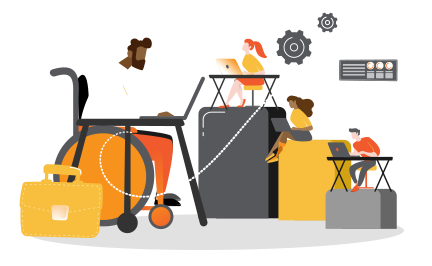 Traditionally, the term diversity referred to racial, ethnic or gender differences. Today, it refers to more than gender or skin color. It is defined as all characteristics and experiences that define each of us as individuals.
It means people:
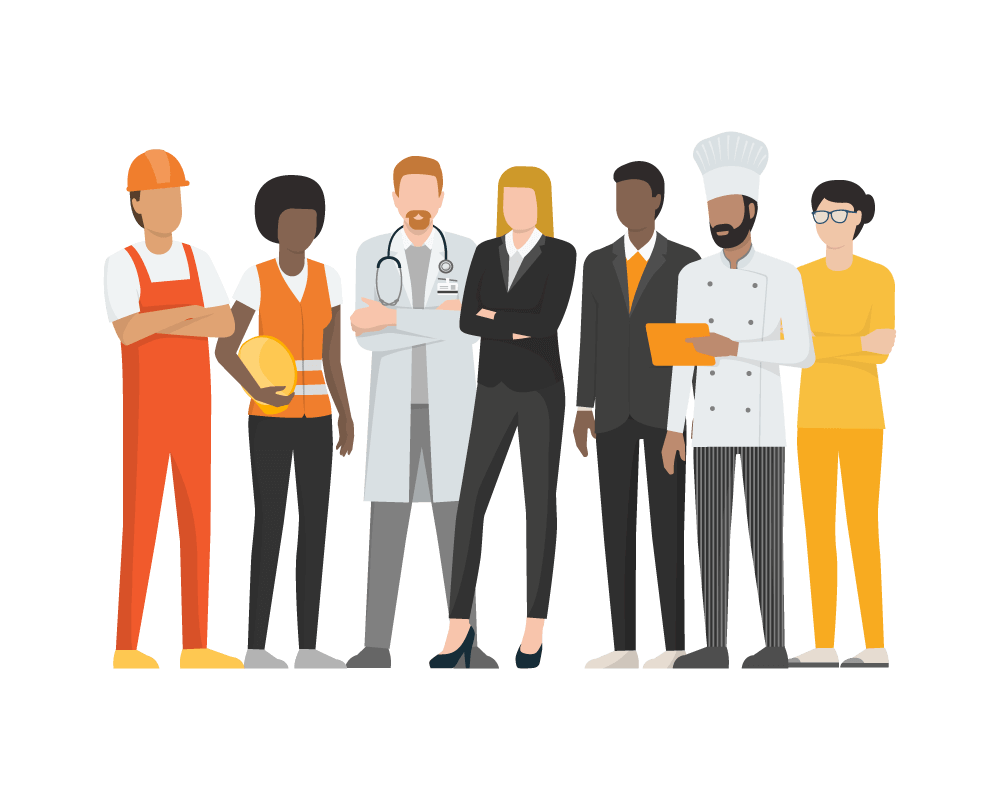
- of different races, ethnicities, genders, ages, religions, disabilities, and sexual orientations
- with differences in education, personalities, skill sets, experiences, and knowledge bases
Thinking differently
Today, you cannot think of it as simply hiring different types of people. It’s so much more.
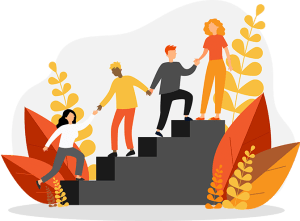
Diversity is
- Based on individual acceptance and respect
- Understanding that individuals are unique and different
- Accepting and valuing differences between people
Diversity includes:
- How individuals identify themselves
- How others perceive them
Diversity in the Workplace
Respecting Individuals + Valuing Differences
Workplace diversity refers to the variety of differences between individuals in an organization. A diverse workplace aims to create an inclusive culture that values and uses the talents of all its employees.
Elements
|
|
|
The Four Dimensions
It can be classified into four major types or dimensions.
Internal – related to a person that they are born into and cannot be changed*. Includes race, age, national origin, ethnicity, cultural diversity, gender*, physical and mental abilities. (*in most cases)
External – things that define a person that can be changed or developed. Examples: interests, education, appearance, citizenship, geographic location, family status, experiences.
Organizational – also called functional diversity relates to the differences between people that are assigned to them by an organization. These are factors that belong to the work we do or the organizations where we work. Examples: employment status, place of work, job function, management status, seniority.
World Views – factors that we observe, feel and experience that shape our world views. Examples: cultural events, political beliefs, historical knowledge, outlook on life, travel.
Looking for ways to increase diversity in your workforce? You may find this collection of articles helpful: Diversity & Inclusion.