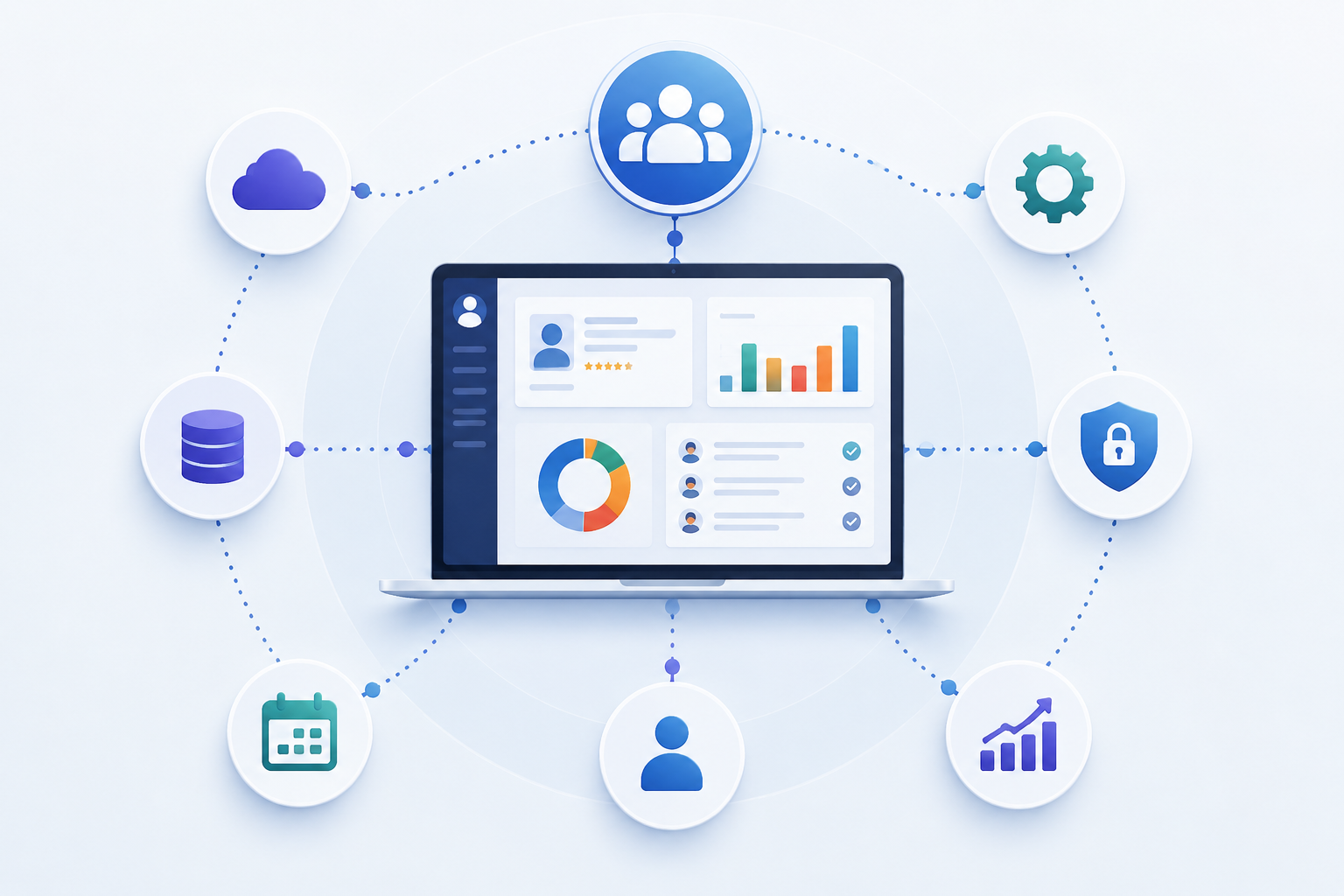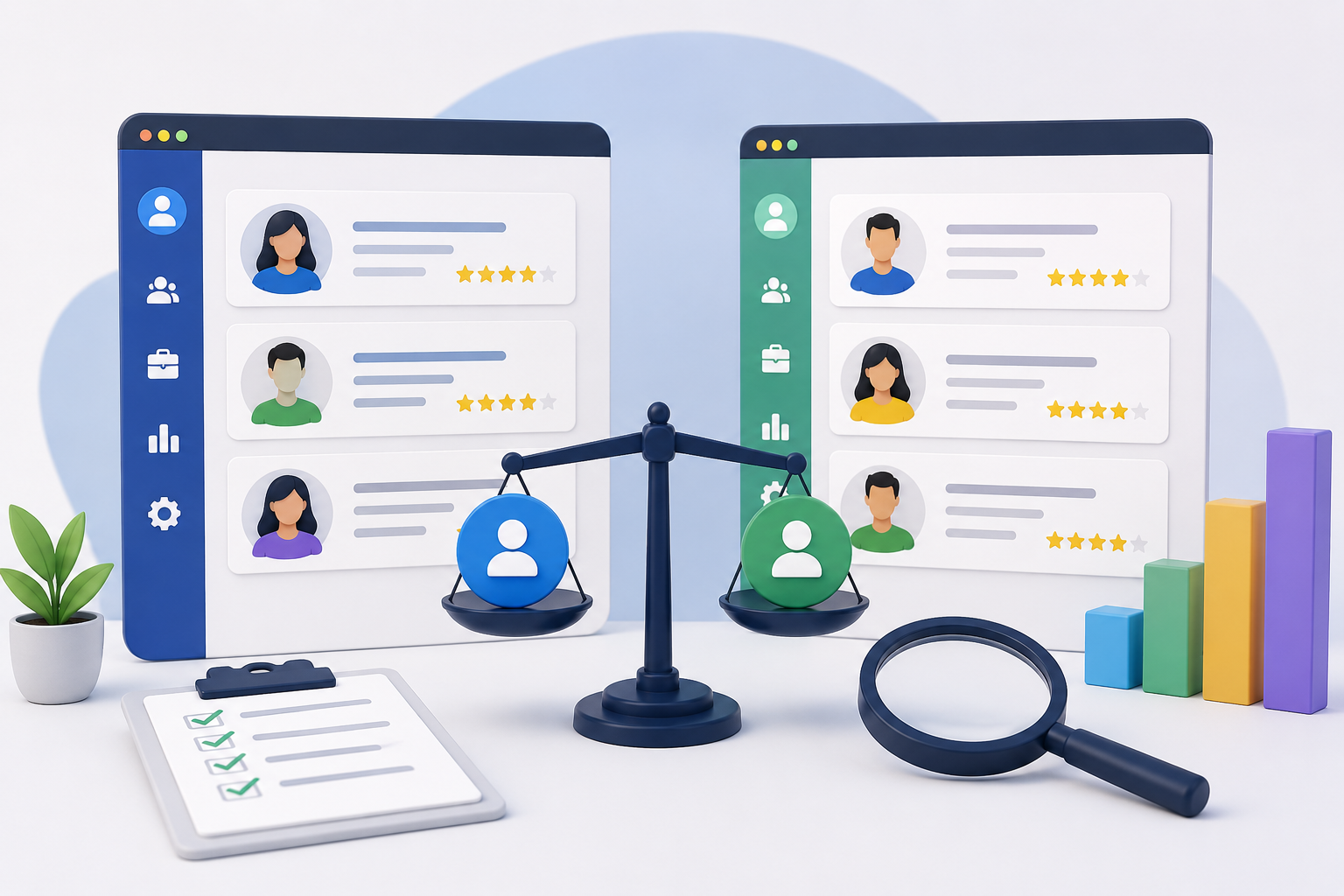







When you first roll out employee referral software, the excitement can be palpable—you’ve got a tool that promises faster hires and better cultural fits. But without the right strategy, that promise can quickly turn into frustration. In the first 90 days you’ll see which missteps drain momentum and which tweaks boost referrals. Below I break down the five pitfalls that trip up most teams, then give you proven ways to keep the referral engine humming.
Why Employee Referral Software Fails Without the Right Strategy
Even the slickest platform can’t save a program that lacks clear goals. If you don’t define what success looks like—whether it’s cutting time‑to‑fill by 30 % or hitting a 40 % quality‑of‑hire lift—your metrics will be a mess. I’ve watched companies launch a shiny dashboard only to stare at blank reports because nobody told the system what to measure.
Quick tip: write a one‑page charter that lists your KPI trio, the budget for bonuses, and the roles you’ll target first. Share that charter on the intranet; make it visible to every hiring manager and every employee who might refer a friend.
Not Promoting the Referral Program Internally
It sounds simple, but many HR leaders assume “everyone knows about the program” and move on. Truth is, without regular promotion the referral pipeline dries up. At a mid‑size tech firm I consulted, referral submissions dropped 70 % after the initial launch email.
What works? A rotating banner on the employee portal, a monthly “Referral Hero” shout‑out in the all‑hands, and quick videos that show exactly how a referral travels from click to hire. And don’t forget mobile—most staff check their phones first, so a push notification from a solution like SmartRefer™ can be worth more than a printed flyer.
Complicated Referral Submission Process
If a colleague has to fill out a ten‑field form, upload a resume, and then wait for a manager’s approval, they’ll bail. One client’s software required a separate login for each referral; adoption fell below 5 %.
Keep the flow to three clicks: select a friend, attach a LinkedIn profile or upload a CV, and hit submit. The best employee referral automation tools auto‑populate fields from the employee’s profile, saving time and reducing errors. Simplicity isn’t just nice—it’s essential for scaling.
Slow Communication With Referrers
SmartTexting™ makes real‑time notifications a game‑changer. As soon as a resume lands in the ATS, the system should ping the employee with a status update—received, under review, interview scheduled, or closed. Even a simple “We’re still reviewing” message keeps the loop tight and the referrer engaged.
Ignoring Referral Analytics
Data is the compass that tells you whether your program is on course. Yet many teams treat the analytics dashboard like an after‑thought, scrolling past the numbers without digging deeper. Without tracking referral source, time‑to‑fill, and conversion rates, you can’t prove ROI.
Set up a weekly snapshot that highlights the top‑performing referrers, the roles that convert best, and any bottlenecks. When you see that software engineer referrals are taking 45 days versus the 30‑day average for sales, you know exactly where to intervene.
Rewarding Quantity Instead of Quality
Bonuses that pay per referral can create a “spam” culture—employees toss every LinkedIn connection into the system to collect a check. One firm’s flat $500 reward for every submission saw a surge in low‑fit candidates and a spike in interview‑no‑show rates.
The smarter approach ties rewards to outcomes: a smaller amount when a candidate is screened, a larger bonus when they’re hired and pass the 90‑day mark. This aligns incentives with the quality‑of‑hire metric and discourages shallow submissions.
Best Practices for Using Employee Referral Software Successfully
Here’s a quick checklist that keeps the program on track:
- Communicate constantly—monthly newsletters, Slack alerts, and celebration posts.
- Streamline the form—limit fields, pre‑fill data, enable mobile uploads.
- Automate notifications—real‑time status updates keep referrers in the loop.
- Leverage analytics—track conversion, time‑to‑fill, and referral source ROI.
- Reward wisely—bonus structures that favor hires that stay beyond 90 days.
- Train users—short videos and live demos ensure everyone knows how to refer.
Follow these steps and you’ll see a measurable lift in both referral volume and hire quality within a quarter.
Features to Look for in Employee Referral Software
Not every platform offers the same toolkit. When comparing options, prioritize the following:
- Mobile‑friendly interface—referrals should be a tap away on iOS and Android.
- Built‑in analytics dashboard—custom KPI tracking without needing a separate BI tool.
- Seamless integration with ATS and HRIS—so data flows automatically.
- Automation rules for notifications and reward disbursement.
- Compliance safeguards—audit trails, data encryption, and EE‑OC‑friendly filters.
Choosing a solution that checks these boxes will save you countless hours of manual work and keep the program compliant.
How Employee Referral Software Improves Hiring Results
When the system works, you’ll notice three concrete gains. First, time‑to‑fill shrinks because referrals bypass many sourcing steps. Second, quality‑of‑hire rises—referrals often have a 20 % higher retention rate, according to the Society for Human Resource Management. Third, cost‑per‑hire drops as advertising spend is offset by the modest referral bonus pool.
In my own experience, a client that integrated referral software with their ATS saw a 35 % reduction in external recruiter fees within six months. That’s the kind of bottom‑line impact you can showcase to the CFO.
Integrating Referral Software with Your ATS and HRIS
Data silos are the enemy of efficiency. If referrals sit in a separate portal, HR staff end up manually copying candidate info into the ATS—a tedious step that breeds errors. Look for an API or native connector that syncs referral submissions directly into the hiring workflow.
When the integration is tight, you can automate scorecard updates, trigger interview scheduling, and even push bonus approvals to payroll. One retailer linked their referral tool to Workday; the result was a 50 % drop in duplicate entries and a smoother handoff from recruiter to hiring manager.
Measuring Referral ROI
Numbers speak louder than anecdotes. To calculate referral ROI, start with three metrics: cost‑per‑hire, time‑to‑fill, and quality‑of‑hire. Subtract the total referral bonus spend from the savings on agency fees, then divide by the number of hires sourced through referrals.
For example, if you saved $30,000 in agency fees, paid $5,000 in bonuses, and hired 12 referral candidates, your ROI is ($30,000‑$5,000) ÷ 12 ≈ $2,083 per hire. Adding the 15 % higher retention factor makes the financial case even stronger.
Legal and Compliance Considerations
Digital referral platforms raise privacy and fairness questions. Make sure the software encrypts candidate data and complies with GDPR or CCPA, depending on your region. Also, incorporate EE‑OC filters that prevent bias—the system should not flag candidates based on protected characteristics.
Another often‑overlooked risk is referral fraud. Some employees might create fake profiles to claim bonuses. Choose a solution that logs IP addresses, timestamps, and requires employee authentication via SSO. A quick audit every quarter catches anomalies before they become costly scandals.
Putting It All Together
When you avoid the five common mistakes—lack of promotion, complex forms, slow communication, ignored analytics, and rewarding the wrong thing—you lay a rock‑solid foundation. Then layer on best‑practice features, seamless integrations, ROI tracking, and compliance safeguards, and you’ve turned a simple tool into a strategic hiring engine.
Remember, the goal isn’t just more referrals; it’s better hires that stay longer and drive performance. Keep the loop tight, reward smartly, and let data guide every tweak. Your employee referral software will then become the low‑cost, high‑impact lever that fuels growth.
Key takeaways: promote relentlessly, simplify the user journey, keep referrers in the loop, let analytics drive decisions, align rewards with quality, integrate with your ATS/HRIS, measure ROI, and stay compliant. Follow this roadmap, and you’ll sidestep the pitfalls that trap most organizations while unlocking the full potential of referral recruiting.