




Choosing the right employee referral software feels a lot like picking a new teammate–you want someone who fits, works fast, and actually makes your life easier. Whether you’re a startup with a handful of hires or a multinational juggling thousands of requisitions, the right referral platform can turn every employee into a talent scout and slash your cost‑per‑hire dramatically. In this guide I’ll walk you through what to look for, the questions you should ask, and the hidden pitfalls most vendors forget to mention.
What Is Employee Referral Software
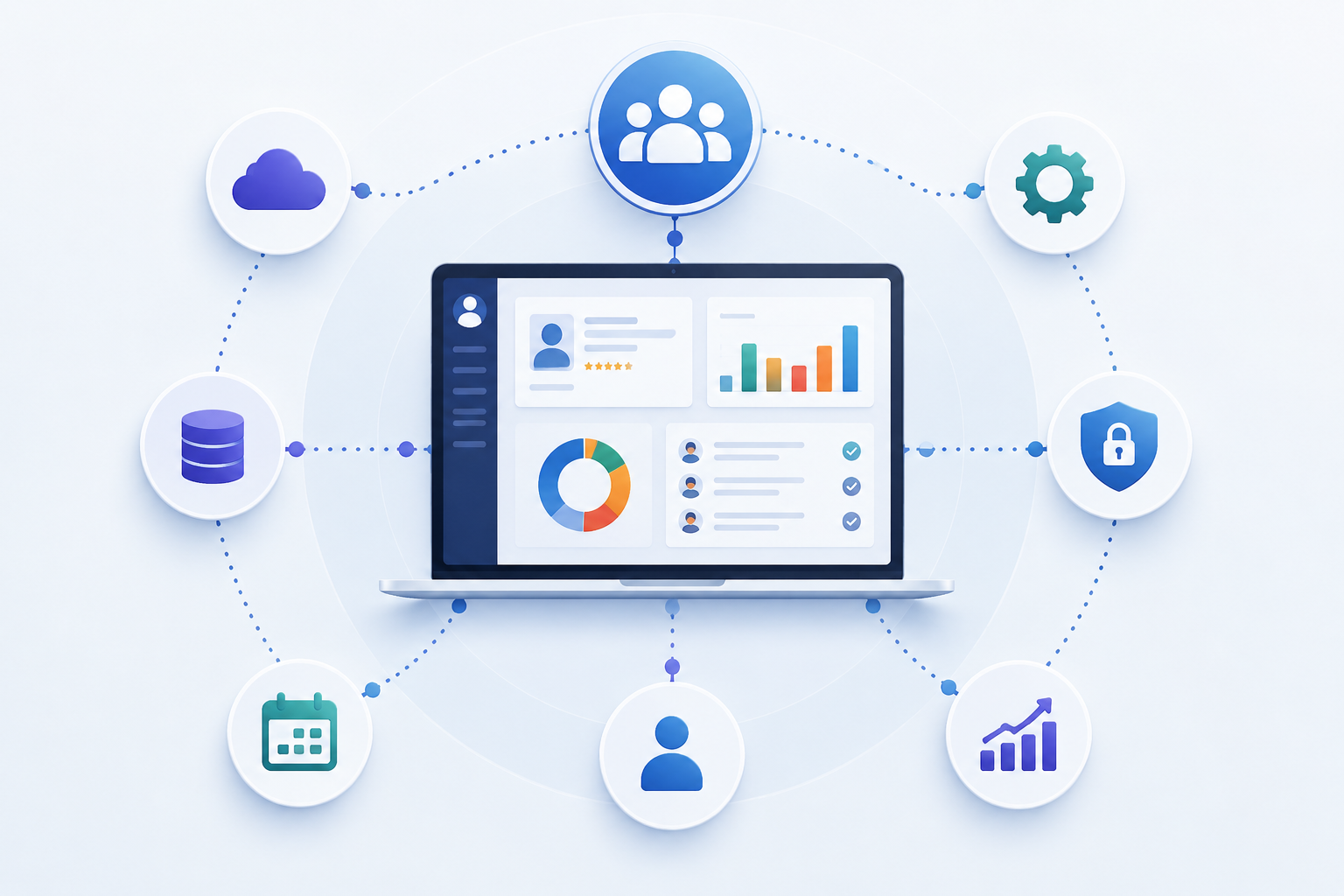
At its core, employee referral software is a digital hub that lets your staff submit, track, and reward candidate referrals—all in one place. It replaces the old spreadsheet‑plus‑email method with a sleek interface that integrates straight into your applicant tracking system (ATS) and HRIS. Think of it as a match‑making service where employees become recruiters, and the software does the heavy lifting.
Imagine Jane in marketing sees a former colleague on LinkedIn. With a few clicks she can forward that profile, add a personal note, and watch the status update automatically as the candidate moves through screening. No more “I sent an email” back‑and‑forth. The system logs the referral, notifies hiring managers, and calculates the reward once the hire is confirmed.
Why Businesses Need Employee Referral Software
SmartTenure™ shows that referral hires tend to stay longer—average tenure is 30% higher than hires sourced elsewhere. They also fill faster; the typical referral conversion rate is 2.5x that of job board applicants. For a company paying $4,500 per hire on average, that speed translates into real dollars saved.
But beyond the numbers, there’s a cultural advantage. When employees feel they can help shape the team, engagement spikes. A 2022 survey from SHRM showed that 71% of workers who participated in a referral program said they felt “more connected to the company’s mission.” That connection fuels productivity and reduces turnover.
Key Features to Look for in Employee Referral Software
- Integration capabilities—Seamless sync with your ATS, HRIS, Slack, or Microsoft Teams is non‑negotiable. You don’t want a silo that forces double data entry.
- Analytics & reporting dashboards—Real‑time visibility into referral conversion rate, time‑to‑hire, and cost‑per‑hire helps you prove ROI to leadership.
- Incentive and rewards management—Automation of cash bonuses, gift cards, or charitable donations keeps the program fair and transparent.
- Mobile‑first experience—A dedicated app or responsive design lets employees refer talent from their phones while commuting or at a coffee shop.
- Data security and compliance—Look for GDPR readiness, SOC 2 certification, and role‑based access controls to protect candidate data.
- AI‑driven candidate matching—Machine learning can prioritize referrals that match your hiring profile, boosting quality without extra effort.
- Scalability and pricing flexibility—Tiered plans that grow with you prevent surprise cost spikes as referral volume rises.
Questions to Ask Before Choosing Employee Referral Software
Now that you know the must‑have features, it’s time to interrogate the vendor. Here are the top questions I always ask:
- How does the platform integrate with our existing ATS and HRIS? Can you show a live demo of a referral moving from entry to hire?
- What analytics are included out‑of‑the‑box, and can we build custom dashboards?
- Do you support mobile referrals, and is there a native iOS/Android app?
- What security certifications do you hold? How do you handle GDPR data‑subject requests?
- Is there an AI engine that scores referrals? If so, what data does it use—resume similarity, hiring manager feedback, or employee referral history?
- How is pricing structured—per user, per referral, or a flat annual fee? Are there hidden fees for extra integrations?
- What support resources are available—onboarding webinars, a dedicated success manager, or 24/7 help desk?
Ask these early, and you’ll avoid the “nice‑to‑have” trap that leaves you paying for features you never use.
Employee Referral Software vs Manual Referral Process
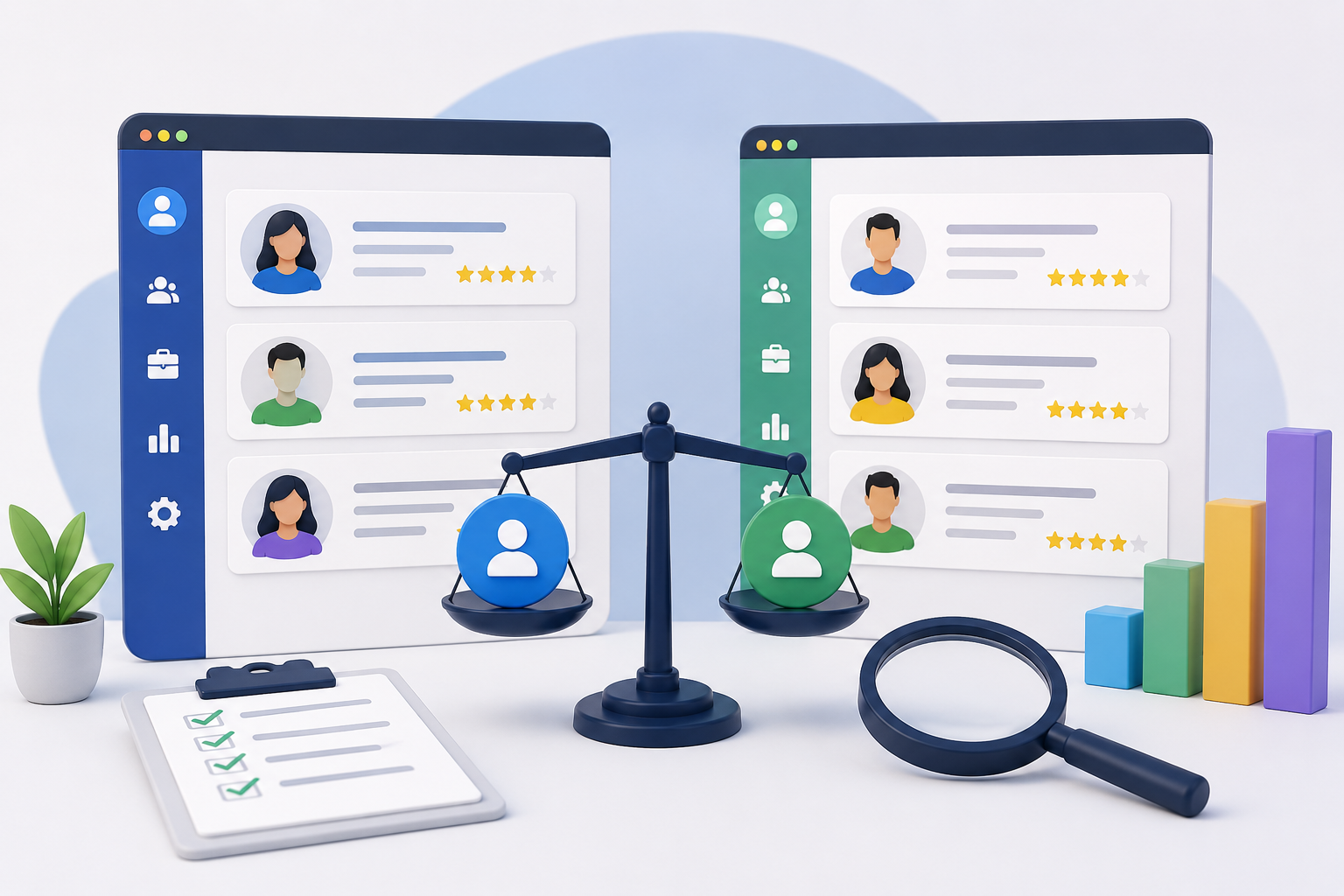
Let’s compare the two side by side. In a manual setup, an employee emails a resume to HR, HR logs it in a spreadsheet, and the hiring manager later checks if it’s a good fit. The process is slow, error‑prone, and offers no visibility into success metrics.
Tools like SmartRefer™ capture the same referral in seconds, auto‑routed to the right recruiter, and tracked from submission to onboarding. You get instant alerts, automated reward calculations, and a clear audit trail for compliance. The net result? A reduction of referral processing time by up to 70%—that’s the kind of efficiency that lets you scale hiring without adding headcount.
Benefits of Choosing the Right Employee Referral Platform
When the platform aligns with your hiring strategy, the benefits cascade across the organization:
- Higher quality hires—Referrals often meet 2–3x the performance benchmarks of other sources.
- Faster time‑to‑fill—Average days to hire drops from 45 to 30 in companies that fully adopt a referral system.
- Lower cost‑per‑hire—Even with a $1,000 referral bonus, the total spend can be 40% less than agency fees.
- Improved employee engagement—Employees love the recognition and tangible rewards for helping grow the team.
- Data‑driven decision making—Dashboards reveal which departments generate the most referrals and which incentives drive results.
Take the case of a mid‑size fintech firm that switched from a spreadsheet to an employee referral management software. Within six months they saw a 25% rise in referral submissions and a 15% drop in overall hiring costs. Their HR leader told me, “We finally have a system that talks to our ATS, our Slack channel, and our finance team—all at once.”
Common Mistakes to Avoid
Even the best platform can fall flat if you stumble on these pitfalls:
- Skipping integration testing. A system that can’t talk to your ATS creates duplicate records and frustrates recruiters.
- Neglecting mobile adoption. If employees can’t refer from their phones, participation plummets after the initial launch hype.
- Over‑complicating reward structures. Complex tiered bonuses confuse users; keep the incentive simple and transparent.
- Ignoring compliance. Missed GDPR or SOC 2 requirements can lead to costly fines and damage brand reputation.
- Failing to train champions. Without power users evangelizing the tool, adoption stalls at 10% or less.
Stay ahead of these issues, and you’ll keep momentum moving forward.
Best Practices for Implementing Employee Referral Software
Implementation is where theory meets reality. Here’s the playbook I follow with my clients:
- Kickoff with a pilot. Choose one department—say engineering—and run a 30‑day test. Gather feedback, tweak reward rules, and measure referral rates.
- Secure executive sponsorship. When the CFO publicly announces the program and the VP of Engineering shares a success story, the rest of the company takes notice.
- Roll out training bundles. Short video tutorials, live Q&A sessions, and a quick‑start guide embedded in the app drive adoption.
- Promote via internal channels. Post referral challenges in Slack, celebrate winners on the intranet, and send monthly newsletters highlighting top referrers.
- Monitor key metrics. Track referral conversion rate, time‑to‑hire, and employee participation weekly. Adjust incentives if numbers stall.
- Iterate and scale. Once the pilot shows a 20% lift in hires, expand to sales, marketing, and operations.
And remember: change management isn’t a one‑off event. Keep the conversation alive, celebrate wins, and the platform will become part of your culture.
Key Metrics to Measure Referral Program Success
Numbers don’t lie, but they can be misleading if you focus on the wrong ones. Here are the KPIs that truly matter:
- Referral conversion rate—Percentage of referred candidates who receive an offer. Aim for 15%+ in most industries.
- Time‑to‑hire—Average days from referral submission to acceptance. Faster than 30 days signals a smooth workflow.
- Cost‑per‑hire—Combine referral bonuses, platform fees, and admin costs; compare against traditional sources.
- Employee participation rate—Percent of staff who refer at least once per quarter. A healthy program hits 30%+.
- Quality of hire score—Performance ratings of referral hires after six months. Higher scores validate program efficacy.
When you track these metrics on the software’s built‑in dashboard, you can quickly demonstrate ROI to finance and adjust your strategy on the fly.
Future Trends in Employee Referral Software
We’re on the cusp of a new wave of capabilities that will reshape how referrals work. First, AI will become more predictive—algorithms will score each referral based on past hiring outcomes, letting recruiters prioritize the hottest leads before they even read a resume.
Second, blockchain‑based verification could ensure that referral rewards are disbursed instantly and securely, cutting down on finance processing time. Finally, immersive experiences (think AR or VR) may let employees view virtual “day‑in‑the‑life” tours and share them directly with their networks, turning referrals into storytelling moments.
Keeping an eye on these trends helps you future‑proof your investment and stay ahead of competitors who still rely on static spreadsheets.
Data Security, Compliance and Privacy Considerations
Data protection is no longer optional. With regulations like GDPR, CCPA, and emerging global privacy laws, every candidate’s personal information must be handled with care. Choose a platform that offers:
- End‑to‑end encryption for data in transit and at rest.
- Role‑based access controls so only HR can see sensitive fields.
- Audit logs that record who accessed or modified a referral record.
- Built‑in tools for handling data‑subject requests—deletion, amendment, or export.
- Compliance certifications such as SOC 2 Type II, ISO 27001, or GDPR readiness.
In 2023, a European SaaS vendor was fined €150,000 for failing to delete referral data upon request. That incident alone proves why you can’t ignore privacy when evaluating an employee referral platform.
Mobile‑First Experience & App Usability
Think about the last time you used a desktop‑only portal at work. Did you feel motivated? Probably not. A mobile‑first design puts referral power in employees’ pockets, turning idle moments—like a coffee break—into hiring opportunities.
Key mobile features to look for:
- One‑tap referral submission from LinkedIn or the phone’s contacts.
- Push notifications when a referred candidate moves stages, keeping referrers engaged.
- In‑app reward tracking so employees can see earned bonuses in real time.
- Offline capability to capture referrals without internet, syncing later.
A leading retail chain launched a mobile app in 2022 and saw a 38% lift in referral submissions within three months—proof that convenience drives participation.
AI‑Driven Candidate Matching and Predictive Referral Scoring
Artificial intelligence isn’t just a buzzword; it can actually boost the quality of hires. Modern referral platforms use machine learning to compare a referrer’s network, past successful hires, and the job description. The result is a score that predicts how likely the candidate will progress to an offer.
This approach helps recruiters focus on high‑probability referrals first, trimming the screening backlog. For example, a SaaS startup integrated an AI‑enabled referral system and reduced the average interview cycles from 4 rounds to 3, saving roughly 120 recruiter hours per quarter.
If your vendor offers a predictive model, ask how they train it—do they use your historical hires, industry benchmarks, or a generic dataset? Transparency here ensures the AI aligns with your unique hiring criteria.
Putting It All Together: A Step‑by‑Step Checklist
Ready to make a decision? Follow this quick checklist before you sign the contract:
- Define your referral goals—more hires, faster time‑to‑hire, higher quality, or lower cost.
- Map your tech stack—list ATS, HRIS, communication tools, and verify integration support.
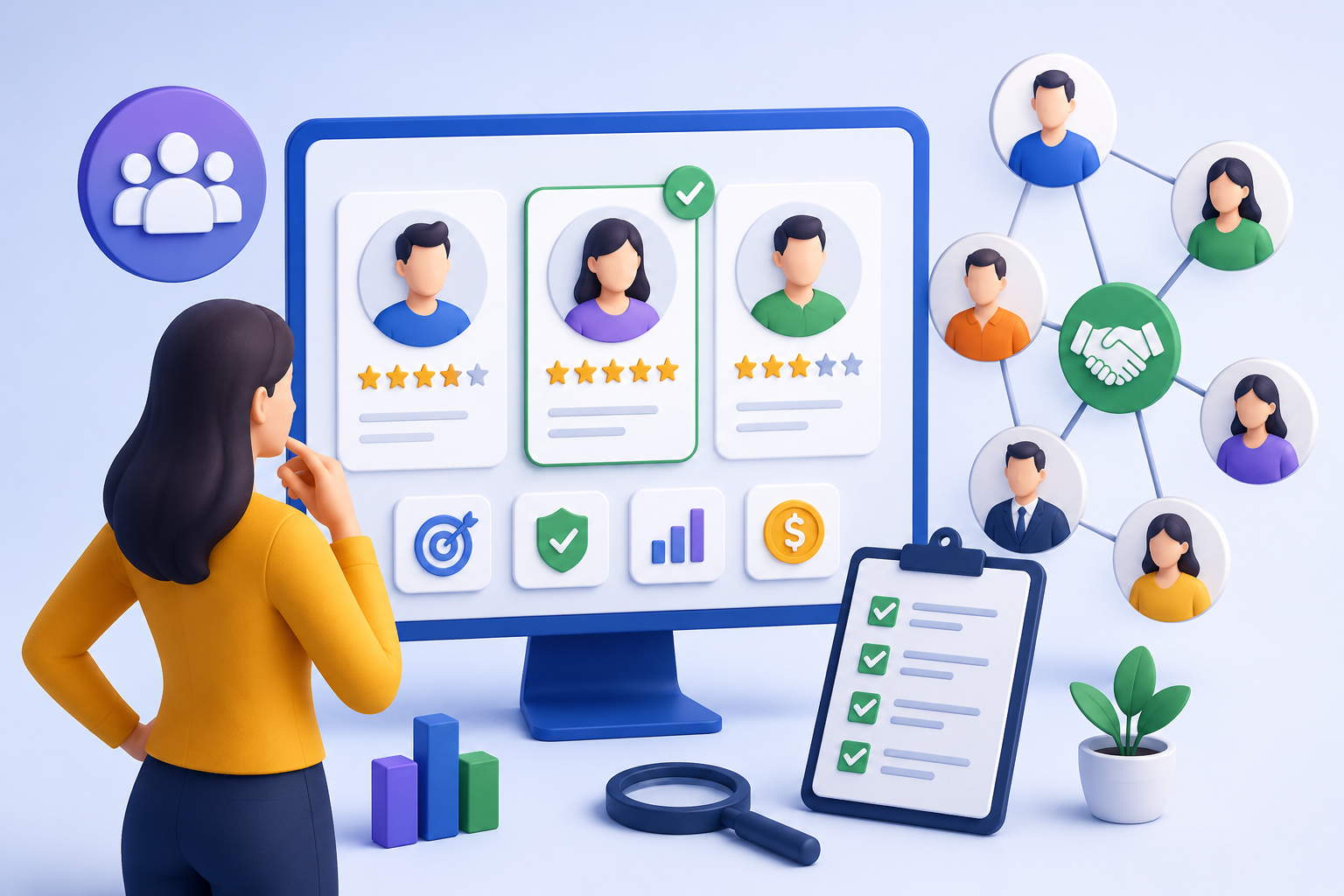
- Score vendors on essential features: integration, analytics, mobile, security, AI, and scalability.
- Request a live demo that shows a referral journey from submission to reward.
- Validate compliance certificates and data‑privacy policies.
- Negotiate pricing—look for per‑referral caps or volume discounts that match your hiring forecasts.
- Plan a pilot phase with clear success metrics and a timeline (usually 30‑60 days).
- Secure executive sponsorship and identify internal champions for rollout.
- Roll out training, launch communications, and monitor KPIs weekly.
- Iterate based on feedback—tweak incentives, refine AI scoring, or add new integrations as needed.
When you follow this roadmap, you’ll not only pick the right employee referral system but also set it up for long‑term success.
Real‑World Success Stories
Case Study 1: Tech Startup Scales Rapidly
A B2B SaaS company with 50 employees needed to double its engineering staff in six months. They adopted a cloud‑based employee referral program software that integrated with Greenhouse and Slack. Within the first quarter, referral submissions rose from 5 to 32 per month, and 40% of those referrals turned into hires. The cost‑per‑hire dropped from $5,200 to $2,800, freeing up budget for product development.
Case Study 2: Retail Chain Boosts Participation
A national retailer deployed a mobile‑first referral recruitment software with push notifications and a gamified leaderboard. Employee participation jumped from 12% to 48% in eight weeks, and the average time‑to‑fill for seasonal roles fell from 45 days to 28 days. The retailer also praised the platform’s GDPR‑ready data handling, which satisfied their legal team.
Case Study 3: Financial Services Firm Enhances Quality
A mid‑size bank leveraged AI‑driven matching in its employee referral management software. The system highlighted referrals that matched the firm’s cultural and technical criteria, improving the quality‑of‑hire score by 22% after six months. The bank reported a 15% reduction in early turnover among referral hires.
Final Thoughts
Choosing the right employee referral software isn’t a one‑size‑fits‑all decision; it’s a strategic investment that can reshape your hiring engine. By focusing on integration, analytics, mobile usability, security, and AI capabilities, you’ll avoid common pitfalls and unlock a talent pipeline that’s faster, cheaper, and higher‑quality. Remember to ask the tough questions, pilot the solution, and celebrate every successful referral—those moments are the true measure of a program that works.
So, what’s your next step? Grab a shortlist of vendors, line up a demo that shows the full referral journey, and start measuring the impact from day one. Your future hires—and your bottom line—will thank you.