





When you start talking about integrating employee referral software with your existing HR systems, the conversation instantly shifts from “nice‑to‑have” to “must‑have.” I’ve seen companies waste months wrestling with manual spreadsheets, only to realize a clean employee referral software integration could have slashed that time in half. If you’re wondering how to connect referral tools to the platforms you already trust, you’re in the right spot.
What Is Employee Referral Software?
At its core, employee referral software is a digital hub where your workforce can share open roles, track their referrals, and earn rewards. It replaces the old email‑chain habit with a sleek portal that logs every click. Think of it as a social network for hiring—except the posts are job listings and the likes turn into hires.
Why Integration Matters
But why bother linking it to your HR stack? Integration eliminates duplicate data entry, guarantees that referral status updates flow automatically, and keeps payroll bonuses in sync with your compensation system. Without it, you’re stuck reconciling two worlds—a nightmare for recruiters and finance alike.
HR Systems That Employee Referral Software Can Integrate With
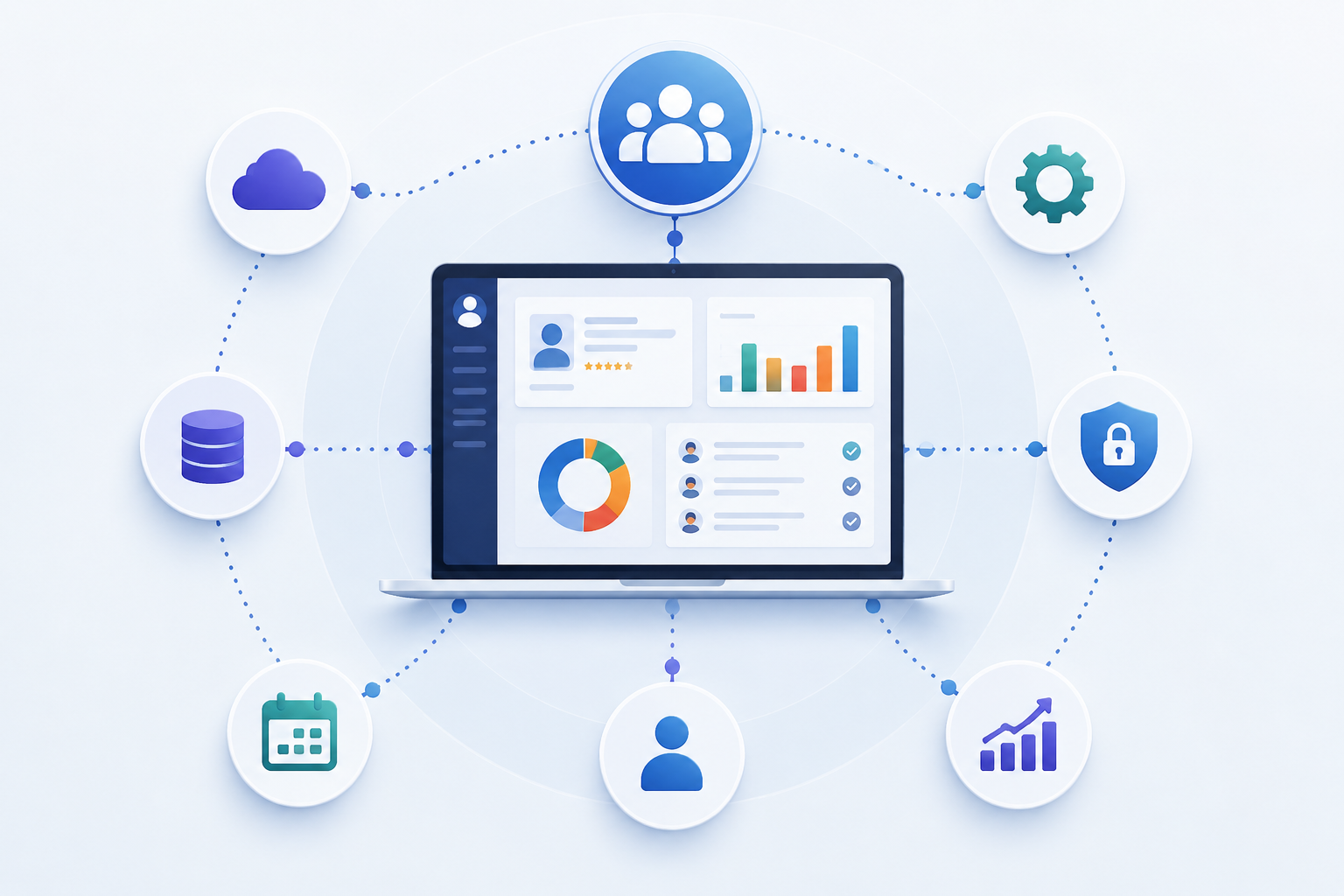
Most modern HR ecosystems consist of an Applicant Tracking System (ATS), an HR Information System (HRIS), payroll, and onboarding platforms. Your referral tool should speak the same API language as each of these. Here’s a quick snapshot:
- ATS: Workday, Greenhouse, Lever—these manage candidate pipelines.
- HRIS: BambooHR, SAP SuccessFactors—store employee records.
- Payroll: ADP, Paylocity—process referral bonuses.
- Onboarding: iCIMS Onboard, Sapling—bring new hires into the fold.
When you choose a solution that offers built‑in HR system integration, the heavy lifting shrinks dramatically.
Benefits of Integrating Employee Referral Software
Now let’s talk payoff. You’ll see faster time‑to‑fill, higher quality‑of‑hire, and a boost in employee engagement. A 2023 study showed firms with seamless referral‑to‑ATS integration cut hiring cycles by an average of 14 days. That’s 30% faster than traditional sourcing.
Beyond speed, integration ensures accurate reward distribution. No more “oops, we missed the bonus” moments. And because data flows automatically, analytics become crystal clear.
Step‑By‑Step Guide to Employee Referral Software Integration
1. Map Your Data Fields – Start by listing every piece of information you need: candidate name, referrer ID, job requisition, status, and reward amount. Then match those fields to your ATS and HRIS records.
2. Choose Your Integration Method – Most vendors support three routes: native connectors, webhook‑based APIs, or middleware like Zapier or Workato. If you have an in‑house dev team, custom APIs give you full control; if not, a pre‑built connector saves time.
3. Configure Authentication – Set up OAuth tokens or API keys so the systems trust each other. A single mis‑typed key can halt the whole pipeline, so double‑check.
4. Test the Flow – Run a sandbox referral from submission to hire. Verify that statuses update in the ATS, the employee record appears in the HRIS, and the bonus lands in payroll.
5. Deploy and Monitor – Once you’re confident, push it live. Keep an eye on logs for any failed webhooks; most platforms alert you instantly.
Common Integration Challenges and How to Solve Them
Even the best‑planned projects hit snags. Here are the usual suspects and quick fixes:
- Data Mismatch – Field names differ between systems. Create a translation table in your middleware to keep things aligned.
- API Rate Limits – Some ATSs cap requests per hour. Batch updates or use incremental syncs to stay under the limit.
- Security Concerns – Exposing employee data without encryption is a big no‑no. Always use HTTPS and enable token rotation.
- Change Management – Recruiters forget to click “refresh” after a referral status changes. Provide a short training video and embed a “sync now” button.
Best Practices for Successful Integration
And remember: integration is not a one‑off project; it’s an ongoing partnership between tech and people. Follow these habits:
- Document every endpoint and data mapping in a living wiki.
- Schedule quarterly health checks to catch API version updates.
- Use a staging environment before any major change.
- Gather feedback from referral champions—those employees who love to send candidates.
Features to Look for in Employee Referral Software
When you’re shopping, keep an eye on these capabilities:
- Native applicant tracking system integration that pushes candidates straight into your pipeline.
- Mobile referral app for on‑the‑go sharing.
- Gamified reward dashboards that spark competition.
- Robust reporting engine for referral conversion rate.
- Compliance modules for GDPR and other data‑privacy laws.
How Integration Improves Hiring Metrics
Now, let’s put numbers to the story. Companies that tie their employee referral program software into the ATS, using a solution like SmartHire™, often see a 45% increase in referral conversion. Time‑to‑fill drops by an average of 22%, and the cost‑per‑hire can shrink by up to $3,500 because referral bonuses are typically lower than agency fees.
Because data is already in your HRIS, you can slice performance by source, department, and even referrer tenure. Those insights fuel smarter budgeting and talent planning.
Industries That Benefit Most
Tech startups love referrals for fast growth, but the upside isn’t limited to Silicon Valley. Healthcare, manufacturing, and financial services also reap rewards. In a recent pharma rollout, a seamless integration cut time‑to‑fill for research roles from 62 days to 38 days—an improvement that shaved months off critical drug development timelines.
Future Trends
Looking ahead, AI‑driven matching will pair referrer networks with open roles based on skill graphs. Predictive analytics will alert you when a referral is likely to stall, prompting a recruiter nudge. And mobile‑first referral experiences, such as those offered by SmartRefer™, will become the norm, letting employees share LinkedIn posts with a single tap.
ROI and Cost Benefit Analysis of Integration
Let’s get real. Suppose you spend $2,000 a month on a referral platform and pay $1,000 in bonus payouts per quarter. Without integration, you add roughly $5,000 in admin overhead to reconcile data. With full integration, that overhead drops to $1,200. Over a year, you save $45,600—more than a 200% return on the software license alone.
Factor in faster hires and lower agency spend, and the breakeven point can arrive in just six months. That’s a compelling business case for the CFO.
Data Security and Compliance Considerations
Data privacy isn’t an afterthought. When you stitch referral data into your HRIS, you inherit the same compliance obligations—GDPR, CCPA, even HIPAA for healthcare firms. Make sure your integration encrypts data at rest and in transit, and that you have audit logs for every data movement.
Most reputable vendors now offer built‑in compliance dashboards. Use them to set retention policies (e.g., delete referral data after 24 months if no hire occurs) and to grant role‑based access only to HR admins.
Real‑World Case Studies
Tech Startup – A fintech startup integrated its referral portal with Greenhouse and ADP. Within three months, referral hires rose from 12% to 27% of total hires, and the average salary of referred candidates was 15% higher than sourced candidates.
Manufacturing Firm – A mid‑size parts manufacturer linked its employee referral software to SAP SuccessFactors. The integration cut onboarding paperwork by 40% and reduced time‑to‑fill for skilled trades by 18 days.
Healthcare Provider – By marrying referral data with a HIPAA‑compliant HRIS, a regional hospital achieved a 30% increase in nurse referrals while staying fully compliant with patient data regulations.
Putting It All Together
So, what’s the bottom line? Integrating employee referral software with your existing HR systems isn’t a tech gimmick; it’s a strategic lever that drives speed, quality, and cost savings. Start by mapping your data, pick the right integration method, and keep security front‑and‑center. Then watch your hiring metrics climb and your employees get excited about sharing opportunities.
Remember, the real magic happens when technology and people move together. If you’ve read this far, you already have a roadmap. Take the first step, run a pilot, and let the data speak for itself. You’ll be surprised how quickly a smooth integration can transform your entire recruiting engine.