

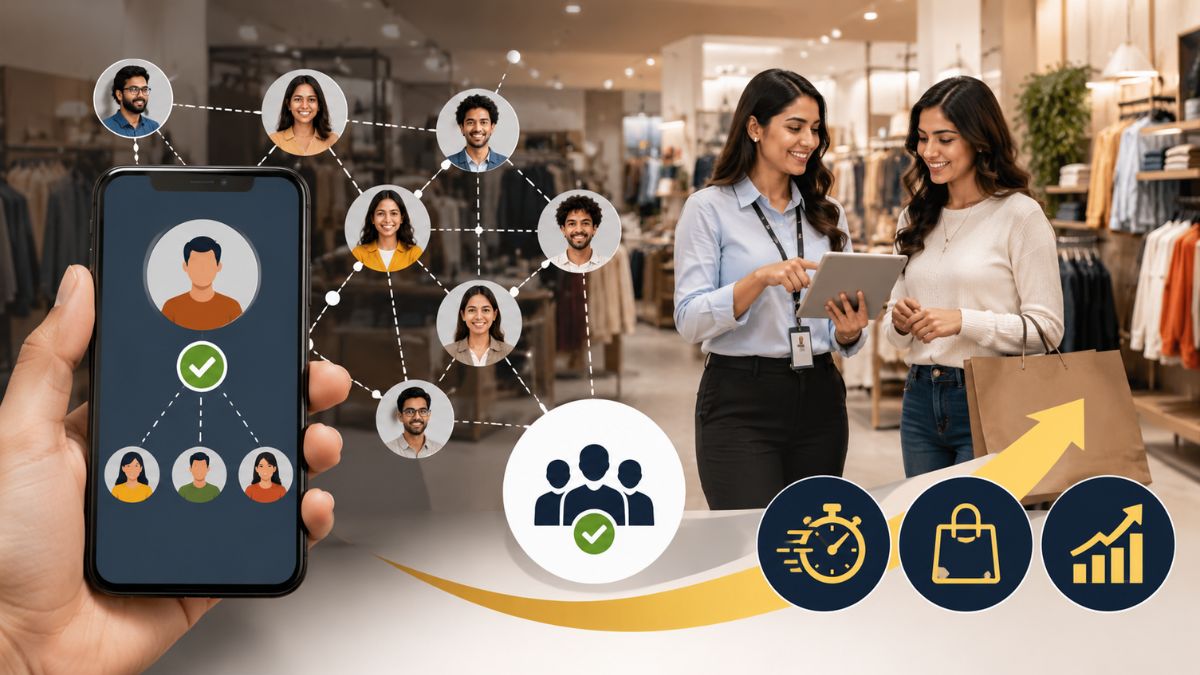





When you hear “retail employee referral program,” you probably picture a store manager handing out a flyer and hoping someone knows a friend who can clock in on Saturdays. In reality, the best‑in‑class programs turn that simple idea into a hiring engine that slashes time‑to‑fill by up to 40 % while boosting candidate quality. I’ve watched the shift first‑hand at big‑box chains and boutique flags, and the results are hard to ignore.
Retail Hiring Pain Points and Why Referrals Matter
Retail hires move fast, but the turnover churn is relentless—about 60 % of hourly staff quit within the first year; tools like SmartTenure™ help predict which referred candidates are most likely to stay long‑term. Seasonal spikes demand a sudden influx of part‑time workers, and you can’t afford a hiring freeze when the holiday rush hits. Traditional sourcing methods—job boards, temp agencies—often lag behind the floor’s rhythm. That’s why a well‑designed retail employee referral program can be a game‑changer, delivering candidates who already know the brand culture.
Benefits of an Employee Referral Approach
- Cost Savings: Referral hires typically cost 30 % less than agency hires.
- Speed: Time‑to‑fill drops from 45 days to just 27 on average.
- Quality: 73 % of referred candidates stay past 12 months, versus 48 % for generic applicants.
And the numbers speak for themselves—stores that lifted referral volume by 20 % saw a 12 % dip in turnover. That’s a clear ROI signal.
Typical Incentive Structures
What gets people talking? Money, of course, but it’s not the whole story. Companies mix cash bonuses (think $200 for an hourly hire) with non‑cash perks—extra PTO, store credit, or a “referral champion” badge.
Tiered Rewards for Different Roles
Hourly positions often earn a flat $150 after the new hire completes 90 days. Corporate roles might trigger a $1,000 payout plus a leadership lunch. Some retailers add a second‑tier bonus if the referral stays past six months, nudging employees to think long‑term.
Gamified Leaderboards
Now, picture a digital leaderboard on the break‑room TV. The top three referrers each quarter earn a weekend‑away package. The competition fuels engagement and turns a mundane task into a brag‑worthy activity.
General Steps to Launch a Referral Program
- Define the Goal: Reduce time‑to‑fill by 20 % or boost retention by 15 %.
- Choose Technology: Mobile app, QR code scanner, or simple web form.
- Set Incentives: Align rewards with role difficulty and turnover risk.
- Train Store Managers: They become the referral champions.
- Communicate Everywhere: In‑store signage, intranet posts, push notifications.
- Track and Iterate: Use dashboards to measure hires, cost, and ROI.
But launching isn’t a one‑off event; it’s a cycle that needs constant tweaking. You’ll hear from managers about what works on the floor versus what looks good on paper.
Retail Specific Hiring Challenges
High turnover, seasonal peaks, and a massive part‑time workforce create a perfect storm. A store associate referral program that works for a corporate office won’t cut it on the sales floor. You need tactics that respect shift schedules and the fact that many employees are on their phones during breaks.
Seasonal Surge Management
During the back‑to‑school rush, Target’s “Quick‑Pick Referral” turned the store’s QR codes into a one‑click referral tool. Employees scanned the code, typed a friend’s name, and the system auto‑filled the application. The result? 1,200 extra seasonal hires in two weeks, and a 35 % reduction in agency spend. For retailers preparing for predictable demand spikes, this approach can also form part of a seasonal hiring playbook, combining referral campaigns with fast, mobile-friendly application processes.
Part‑Time Workforce Integration
Best Buy rolled out a “Coffee‑Break Referral” where a short survey appeared on the employee’s mobile app during lunch. The survey asked only for a name and phone number—no resume needed. That low‑friction approach yielded a 28 % increase in part‑time referrals over the previous quarter. This kind of low-friction experience is especially useful when designing mobile referrals for frontline workers, who may not have regular access to a desktop during their shifts.
Innovative Tactics Used by Leading Retailers
And the magic isn’t just in the tech; it’s in the culture you build around it.
QR Codes in Break Rooms
Imagine a bright poster with a QR code next to the soda machine. An employee scans, drops a friend’s email, and a pre‑written referral message shoots straight to HR. Zara installed these in every European store and saw referrals climb from 5 % to 19 % of all hires in six months.
Manager Champion Programs
Store managers get a “Referral Champion” title after five successful hires. They earn a $500 bonus and a badge they can display on their door. This simple recognition turned managers into active recruiters who pitched the program during daily huddles. More importantly, recognition at the store level can contribute to building a culture that keeps hourly workers engaged in both recruiting and the wider employee experience.
Gamified Leaderboards
Now, think of a leaderboard that updates in real time on the staff portal. The top referrer of the month gets a VIP parking spot. The competition sparked a 42 % jump in referral submissions at a Midwest clothing chain.
Technology Integration for Seamless Experience
Most retailers leverage mobile apps that sync with their applicant tracking system (ATS). An app can auto‑match referrals to open roles using AI, reducing manual sorting. For example, tools like SmartRefer™ integrate with Shopify stores to pull sales data and suggest candidates who have previously shopped at the brand—turning loyal customers into potential employees.
Mobile App and QR Workflow
The flow is simple: employee taps “Refer a Friend,” scans a QR code on the shelf, and the system pulls the friend’s basic info from LinkedIn (if they consent). Within minutes, HR receives a complete candidate package.
Analytics Dashboards
Every referral gets a unique identifier, letting managers see conversion rates, time‑to‑fill, and retention stats at a glance. With this data, you can calculate ROI—often a 5:1 return on referral spend.
Case Studies from Major Retailers
Target’s Tiered Referral System
Target layered cash rewards with a “store‑wide celebration” for every 10th referral that lasted six months. The program cut store‑level turnover from 24 % to 16 % in one year and saved roughly $850,000 in recruiting costs across the network.
Zara’s QR Code Rollout
Zara’s European stores added QR codes to changing‑room mirrors. Employees could point their phone at the mirror, enter a friend’s name, and instantly submit a referral. The initiative generated 3,400 new hires in 2023—most of them seasonal roles—while reducing time‑to‑fill by 11 days.
Best Buy’s Coffee‑Break Survey
Best Buy used a 30‑second survey on its employee app, timed to the mid‑morning break. The survey’s brevity meant a 73 % completion rate, and the hires sourced this way reported a 92 % satisfaction score during onboarding.
Measurable Outcomes and ROI Calculations
Numbers don’t lie. Across the three brands, referral hires accounted for 38 % of total hires, but only 12 % of total recruiting spend. The average cost‑per‑hire dropped from $4,200 to $2,600. When you factor in the higher retention (average 9 months longer than non‑referral hires), the lifetime value of a referred employee jumps by roughly $5,000.
Now, imagine your store replicating those gains. If you hire 150 employees a year, a modest 20 % shift to referrals could save you $135,000 in recruiting fees alone.
Frequently Asked Questions
How soon after a hire does the referrer get paid?
Most retailers wait until the new employee completes 90 days. Some add a “stay‑bonus” at six months to reinforce long‑term fit.
Can part‑time employees refer for corporate roles?
Absolutely. The program should be open to all staff, but you might tier the incentives—higher for corporate referrals, lower for hourly positions.
What if the referred candidate is already in the ATS?
SmartRefer’s duplicate‑check feature flags the candidate, then notifies the referrer. You can still reward the employee for spotting talent, keeping morale high.
Do I need an external vendor?
You can start simple—with a Google Form and a spreadsheet. But scaling up to QR codes, mobile apps, and analytics usually calls for a dedicated platform.
SmartRefer: Your Partner for a Scalable Referral Program
Ready to turn your store floor into a talent pipeline? SmartRefer offers a plug‑and‑play solution that integrates with your existing HRIS, supports QR code referrals, and delivers real‑time dashboards. Sign up today and watch your time‑to‑fill shrink while your employee engagement climbs.
Key Takeaways
And that’s the playbook in a nutshell: identify retail‑specific hiring pain points, design incentive structures that speak to hourly and corporate staff, embed tech like QR codes and mobile apps, empower store managers as champions, and track every metric to prove ROI. When you stitch these pieces together, a retail employee referral program becomes more than a perk—it becomes a core hiring engine.