





If you’re a talent leader in a hospital or health system, you’ve probably felt the sting of a vacancy that just won’t close. The good news? Candidate sourcing can turn that frustration into a predictable pipeline. In this guide you’ll learn what candidate sourcing really means, how it differs from recruiting, which channels deliver the best nurses and techs, and why AI‑driven software is suddenly a non‑negotiable.
What Candidate Sourcing Means in 2026
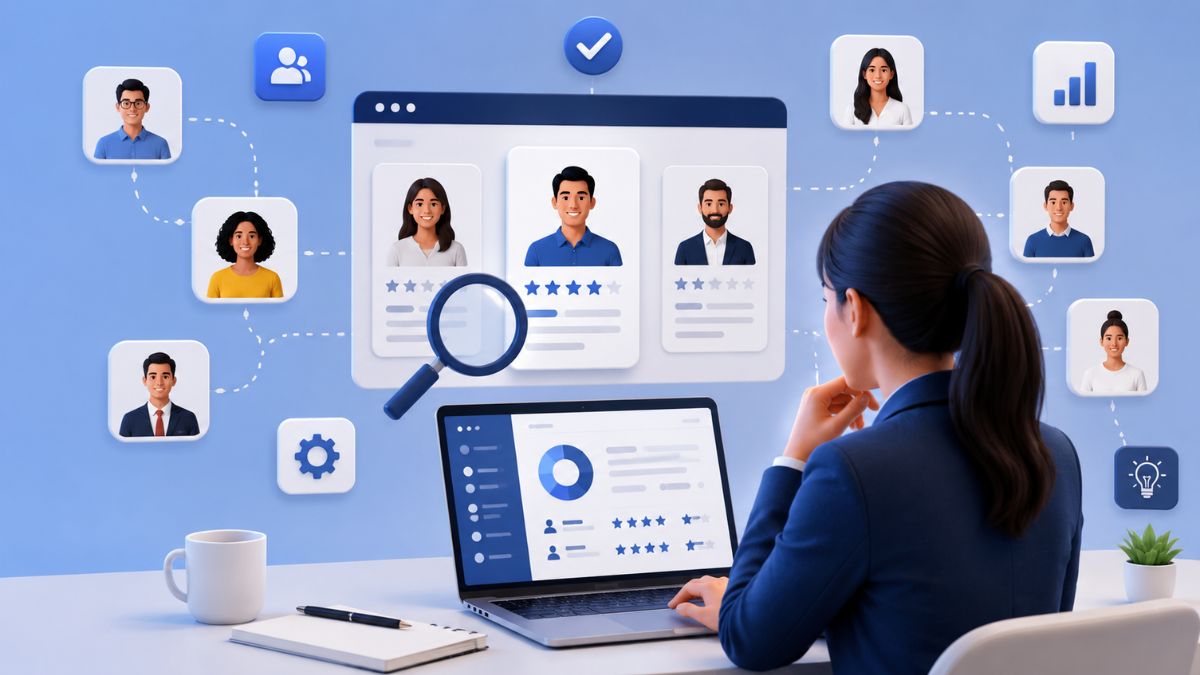
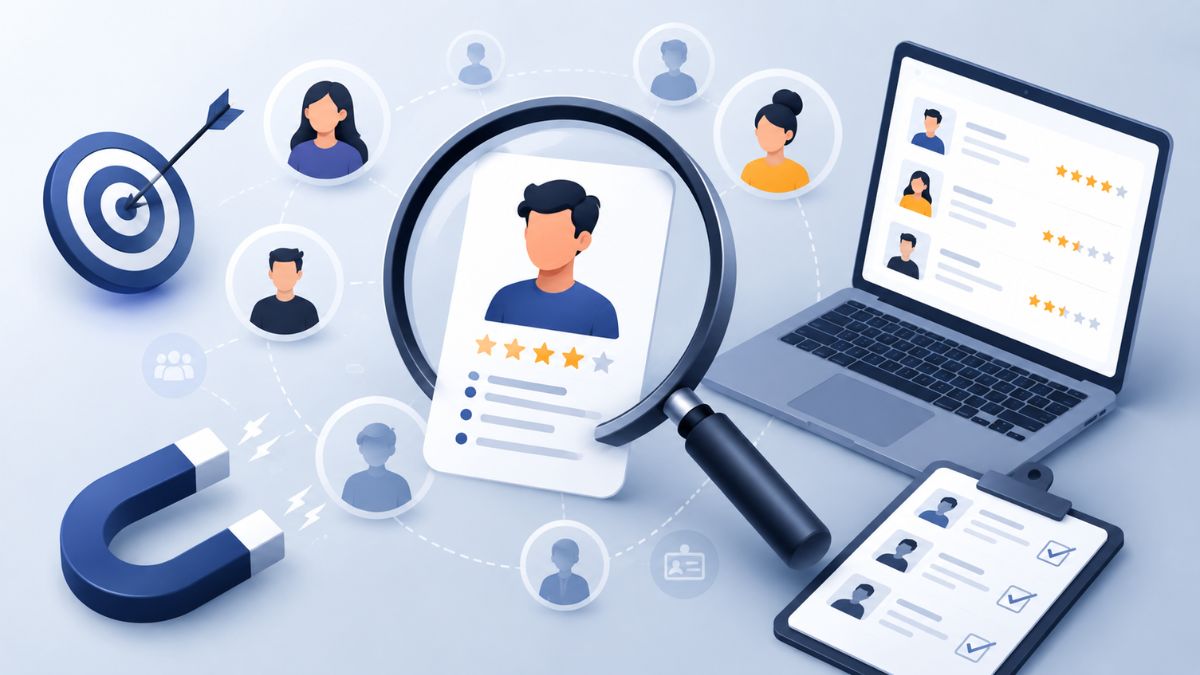
Sourcing is the art and science of finding the right people before you even think about a job description. It’s proactive, data‑rich, and usually the first step in a longer hiring journey. Think of it as fishing with a sonar instead of casting blind.
Candidate Sourcing vs Recruiting and Screening
- Sourcing = locating talent, building relationships, gathering intel.
- Recruiting = presenting the role, managing interviews, negotiating offers.
- Screening = assessing fit, checking credentials, confirming availability.
In other words, sourcing fills the funnel, recruiting steers the boat, and screening checks the hull for leaks.
Core Sourcing Channels Every Healthcare TA Leader Should Use
Below is a quick rundown of the channels that consistently deliver top clinical and non‑clinical talent.
- Employee referrals – 45% of hires come from inside the organization (HR.com, 2025). A simple $500 bonus can spur a cascade of quality candidates, making employee referrals as a healthcare sourcing channel worth a closer look.
- Boolean search – Mastering strings like “Registered Nurse” AND “teleICU” AND “certified” unlocks hidden gems on niche sites.
- Job board databases – Platforms such as Health eCareers and Nurse.com still house millions of active profiles.
- Social media – LinkedIn Recruiter remains king, but TikTok and Instagram are emerging “career hubs” for tech‑savvy clinicians.
- AI‑driven matching – Tools that parse licensure, shift preferences, and compliance flags can surface candidates in seconds.
And remember: the best source isn’t always the one with the biggest pool, it’s the one that delivers compliant, ready‑to‑work talent the fastest. A dedicated registry such as SmartRegistry™ surfaces passive nurses, scores clinical fit, and pre‑screens against OIG LEIE and SAM.gov exclusion lists.
Building a Data‑Driven Sourcing Strategy
When you ask yourself “how to source candidates effectively?”, answer with a sourcing strategy that marries data, compliance, and speed. Here’s a three‑step framework:
- Map the talent landscape. Identify which specialties are scarce in your region—e.g., per‑diem cath lab techs in the Midwest.
- Assign source ownership. Give your senior sourcer the referral program, a junior sourcer the Boolean hunts, and the AI platform the heavy lifting.
- Measure and iterate. Track source-of-hire, time-to-fill, and cost-per-hire every month. Re-engage candidates already in your ATS where appropriate, then adjust sourcing spend where ROI spikes.
Now, let’s talk software.
Talent Sourcing Software Landscape in 2026
The market has exploded. Beyond the old guards like LinkedIn Recruiter, you’ll see specialized solutions that speak “healthcare” fluently. Some of the most talked‑about platforms include:
- SeekOut – strong AI for passive talent.
- HireEZ – bulk outreach plus analytics.
- Cadient – the only solution built around credentialing, shift‑work, and compliance rules for US health systems.
What sets a true talent sourcing software apart is its ability to integrate with your ATS, parse DEA numbers, and stay HIPAA‑safe.
AI Benefits for Healthcare Talent Acquisition
AI isn’t a gimmick; it’s a productivity multiplier. To understand how AI is changing resume screening, it helps to look beyond keyword matching and consider skills, context, and candidate data. A 2024 survey of 120 hospital HR directors showed a 32% reduction in time‑to‑fill when AI matching was used (HRCorp, 2024). The biggest gains came from:
- Instant credential verification.
- Predictive shift‑fit scoring.
- Automated outreach that respects opt‑out rules.
Tools like SmartSource™ proactively discover qualified clinical and non‑clinical candidates, instantly verify credentials and flag compliance issues before outreach.
And you’ll love the compliance angle—AI can flag expired licenses before you even click “send”.
Key Metrics Every Sourcing Leader Should Track
Metrics keep you honest. The three you can’t ignore are:
- Time‑to‑fill – average days from source to offer. Aim for under 45 days for RN roles.
- Source‑of‑hire – which channel yields the highest quality hires.
- Cost‑per‑hire – total spend divided by hires; AI can shave $1,500 off each RN hire.
So, if your numbers look shaky, it’s probably a sourcing problem, not a recruiting one.
Common Sourcing Mistakes and How to Dodge Them
Even seasoned sourcers slip up. Here are the top three errors you’ll want to avoid:
- Over‑relying on one channel. Diversify; otherwise you’ll hit a wall when that source dries up.
- Neglecting data hygiene. Bad or duplicate records waste AI cycles and slow pipelines.
- Skipping compliance checks. In healthcare, an expired BLS cert can cost you a lawsuit.
And yes, you can still source well without a full AI stack—but you’ll pay with slower fills and higher churn.
Objection Handling for the Skeptical Decision‑Maker
“We don’t need AI” is the most common pushback. Here’s a quick rebuttal:
- ROI is real. Our internal calculator shows a 28% cut in cost‑per‑hire when Cadient’s matching engine is used.
- Adoption is easy. The platform plugs into any ATS with a two‑day onboarding sprint.
- Compliance assurance. Automated license checks keep you audit‑ready.
But if you’re still on the fence, take a look at the case study below.
ROI Calculator Example: Time‑to‑Fill Reduction
Imagine a mid‑size health system that averages 60 days to fill a bedside RN. With AI matching, the average drops to 38 days. That’s a 22‑day reduction.
Assuming a $200 per‑day productivity loss (based on overtime costs), the system saves $4,400 per hire. Multiply that by 120 annual RN hires, and you’re looking at $528,000 in saved labor costs alone.
Now factor in a 30% reduction in agency fees—another $150,000 saved. The ROI is undeniable.
Healthcare‑Specific Sourcing Challenges and Regulations
Healthcare isn’t like tech. You need to juggle state licensure, DEA numbers, and shift-specific certifications. Healthcare credential verification best practices can help teams build a more consistent process and avoid costly compliance mistakes.
Here are three regulatory quirks that shape your sourcing playbook:
- State license portability. A RN moving from Texas to Colorado must have a verified NCLEX pass.
- Credential expiry alerts. BLS, ACLS, and PALS certificates often lapse every two years; AI can flag them automatically.
- Background‑check timing. Federal law requires a 72‑hour window before a hire can start; sourcing must account for that lag.
Integrating these checks into your sourcing workflow is where “real” AI shines.
Real‑World Case Study: Cutting Hiring Costs by 30%
A large academic medical center partnered with Cadient in early 2025. Their challenges:
- Average time‑to‑fill for ICU techs: 55 days.
- Cost‑per‑hire: $7,200 (including agency fees).
After implementing Cadient’s AI‑driven sourcing suite, the results were striking:
- Time‑to‑fill fell to 35 days—a 36% improvement.
- Cost‑per‑hire dropped to $5,000, a 30% reduction.
- Compliance alerts caught 12 licensure mismatches before any interview.
“We finally stopped playing catch‑up,” said the hospital’s VP of Talent Acquisition. “Our pipeline feels like a well‑oiled machine now.”
[LINK: Learn more about Cadient’s compliance features]
Step‑by‑Step Checklist for Implementing Cadient’s Platform
- Define your hiring goals. List the top 10 roles you need to fill in the next 90 days.
- Map existing data sources. Pull licensure files, shift‑preference surveys, and ATS records.
- Integrate with your ATS. Use Cadient’s native connector for seamless data flow.
- Set up AI matching rules. Include credential expiry, state licenses, and shift patterns.
- Train your team. Run a two‑day workshop on Boolean basics and AI‑prompt crafting.
- Launch a pilot. Source 20 nurses, measure time‑to‑fill, adjust algorithms.
- Scale and monitor. Track source‑of‑hire, cost‑per‑hire, and compliance alerts monthly.
And that’s it—your new sourcing engine is live.
Putting It All Together
Candidate sourcing isn’t a buzzword; it’s the foundation of any modern healthcare hiring operation. By distinguishing sourcing from recruiting, leveraging the right channels, and embracing AI‑powered platforms, you’ll slash time‑to‑fill, stay compliant, and keep costs in check.
Remember, the biggest ROI comes from data hygiene, a clear sourcing strategy, and a willingness to let technology do the heavy lifting.
Ready to Transform Your Hiring?
Don’t let another vacancy drain your budget. Book a demo of Cadient’s AI‑powered healthcare sourcing solution today and see how quickly you can fill critical roles.
[LINK: Schedule your Cadient demo now]