





Finding the right clinicians and support staff feels like hunting for a needle in a haystack, especially when you’re juggling compliance, credential checks, and tight timelines. In the next few minutes you’ll learn how to source candidates fast, avoid the usual dead‑ends, and see where AI can take the grunt work off your plate. Let’s cut the fluff and get straight to the tactics you can deploy today.
Why Candidate Sourcing Is a Health‑Care Priority
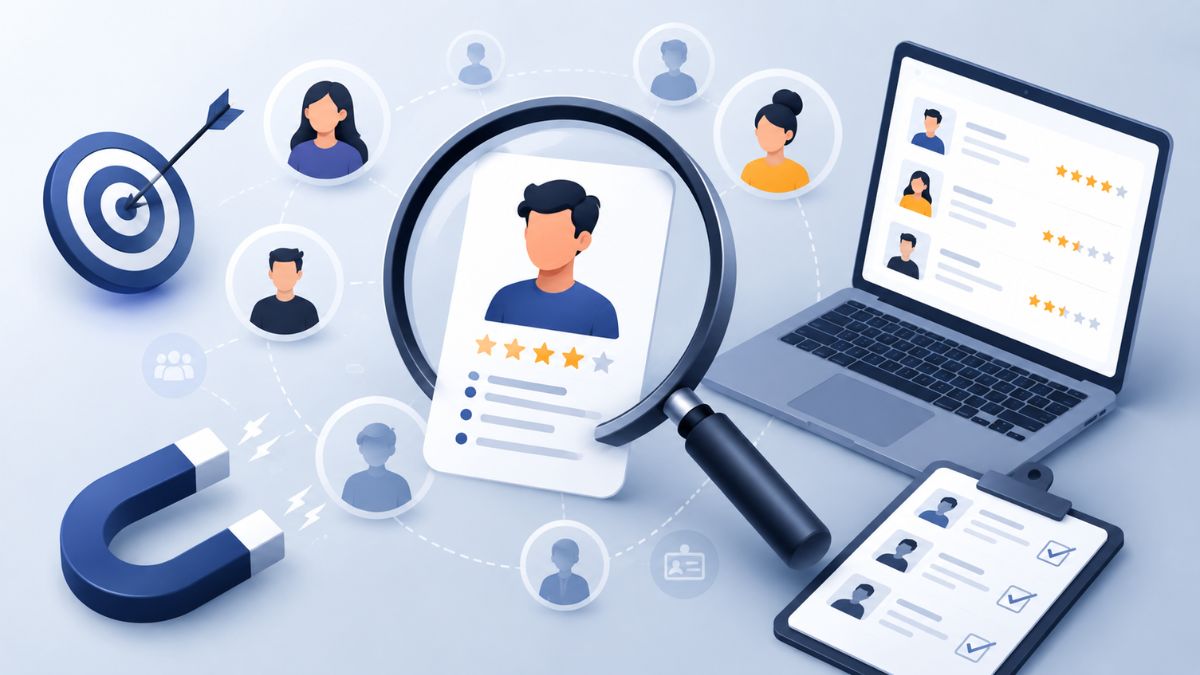
Candidate sourcing isn’t just posting a job and waiting. It’s a proactive hunt—building pipelines before you have an opening. In fact, 71% of healthcare hires come from passive candidates (SHRM 2023). That means the talent you need is often already employed elsewhere, scrolling LinkedIn, or answering industry forums. If you ignore passive candidate sourcing, you’re leaving money on the table. Ready to change that?
9 Proven Sourcing Techniques Ranked by ROI
1. Mine Your Internal Talent Pool
Start where you have the most reliable data: your own ATS. Pull out nurses who left for a different unit, techs on the bench, or clinicians who went on sabbatical. A quick filter on “last active within 12 months” surfaces candidates who already understand your culture. This approach becomes even more valuable when you know how to re-engage candidates from your existing talent pool instead of starting every search from scratch. The ROI is immediate—no onboarding learning curve, and you can often re‑engage them with a simple email. Tip: Use a spreadsheet to score each internal lead on readiness, then prioritize the top 20%.
2. Activate Employee Referrals
Employees know the best people in their circles. Offer a modest $500 bonus for every hire that stays six months, and watch the pipeline grow. Referral programs cut time‑to‑fill by up to 30% (source: LinkedIn 2022). To keep the flow steady, send a monthly “who do you know?” newsletter and showcase success stories. [LINK: Top 5 referral program best practices]
3. Leverage LinkedIn Recruiter Advanced Filters
LinkedIn remains the gold standard for healthcare talent. Use the “Current Company” and “Years of Experience” filters to target RNs who have spent at least three years at a Level I trauma center. Save your searches and set up daily alerts. When you combine filters with a personalized connection request, response rates jump to 12% versus a generic invitation.
4. Post on Niche Healthcare Job Boards
General boards get noisy. Sites like Health eCareers, Nurse.com, and PracticeMatch attract clinicians actively looking for new roles. Most of these boards let you sponsor listings, pushing them to the top of the search results. A single sponsored post can yield 20‑30 qualified resumes within a week, especially for high‑demand specialties like ICU respiratory therapists.
5. Run Boolean Searches on Industry Forums
Forums such as AllNurses, Medscape, and specialty subreddit communities hide talent that isn’t on LinkedIn. A Boolean string like “RN” AND “tele‑ICU” AND “open to new opportunities” can pull up hidden profiles. Paste the string into Google site:allnurses.com to scan the latest posts. It feels a bit old‑school, but the payoff is real—you’re speaking directly to people who are already engaged in the conversation.
6. Deploy AI‑Driven Talent Rediscovery
That mountain of resumes you collected last year isn’t junk. AI can scan them for fresh skill tags, new certifications, or recent employment changes. Tools like SmartSource™ automatically rediscover talent, while SmartRegistry™ scores clinical fit and pre‑screens against compliance exclusion lists before outreach. What used to take days now happens in minutes, and you avoid duplicating effort.
7. Social Media Outreach on Twitter and Facebook Groups
Don’t underestimate the power of a well‑timed tweet. Join groups like “Healthcare Professionals Network” on Facebook and share concise job teasers with a link to your career site. Use hashtags #RNJobs #HealthcareHeroes and watch the engagement spike. A single post can generate 15‑20 inbound inquiries, especially when you add a short video of your facility’s culture.
8. Passive Candidate Sourcing via Content Marketing
Publishing case studies about your hospital’s innovative patient care attracts curious clinicians. Attach a subtle call‑to‑action like “Want to join a team like this? Drop us a line.” When an anesthesiologist reads about your new ER protocol and clicks, you’ve just turned a passive reader into a warm lead. Track clicks with UTM parameters to see which pieces drive the most talent.
9. Partner with Training Programs and Conferences
Build pipelines early by sponsoring nursing schools, allied‑health boot camps, and industry conferences such as the HIMSS Expo. Offer scholarships or host a workshop, then follow up with attendees after the event. These relationships give you first dibs on fresh graduates and seasoned pros who attend continuing‑education sessions.
Manual vs AI‑Enabled Steps Checklist
- Identify talent source – manual: scroll forums; AI: auto‑scan feeds.
- Collect contact data – manual: copy‑paste; AI: extract from resumes.
- Validate credentials – manual: phone call; AI: cross‑reference license databases.
- Prioritize outreach – manual: gut feel; AI: score based on fit.
- Send personalized message – manual: template edit; AI: dynamic merge fields.
Notice how AI collapses three of those steps into seconds? That’s the difference between a recruiter who spends eight hours a week on data chores and one who spends that time on conversations.
Common Mistakes and How to Dodge Them
First, don’t put all your eggs in a single channel. Relying solely on LinkedIn means you miss the 30% of clinicians who prefer niche boards. Second, ignore data at your own peril—track response rates, time‑to‑fill, and cost per hire for each technique. Finally, treat candidates like a numbers game. A sluggish response email can turn a hot lead cold in 24 hours. That makes response speed a sourcing advantage in itself; teams can respond to candidates within 10 minutes to keep promising prospects engaged while interest is still high. Keep the experience snappy, and you’ll see higher acceptance rates.
Measuring ROI for Each Technique
Below is a quick matrix that helps you decide where to invest first. All numbers are industry averages unless noted.
| Technique | Time to First Hire | Cost per Hire | Effort Level |
| Internal Talent Pool | 2 weeks | $1,200 | Low |
| Employee Referrals | 3 weeks | $1,500 | Low |
| LinkedIn Recruiter | 4 weeks | $2,300 | Medium |
| Niche Job Boards | 5 weeks | $2,800 | Medium |
| Boolean Forum Search | 6 weeks | $3,000 | High |
| AI Talent Rediscovery | 2 weeks | $1,800 | Low (with tool) |
| Social Media Outreach | 4 weeks | $2,100 | Medium |
| Content Marketing | 6 weeks | $2,600 | High |
| Training Partnerships | 8 weeks | $3,200 | High |
Use this as a starting point; your own numbers will shift based on location and specialty.
Ready to Accelerate Your Healthcare Hiring?
Imagine a dashboard that surfaces a credential‑verified list of passive nurses, scores them for cultural fit, and lets you fire off a tailored email with one click. That’s the promise of Cadient’s AI‑powered platform. If you’re tired of manual spreadsheets and want to shrink time‑to‑fill from 60 days to under 30, let’s talk.
[LINK: How AI transforms healthcare recruiting] – Book a demo today and see the future of candidate sourcing in action.