





Finding the right clinician or tech talent feels like searching for a needle in a haystack, especially when you’re juggling shift coverage, compliance, and budget pressure. Talent sourcing software can turn that haystack into a curated list of qualified, engaged candidates. In the next few minutes, I’ll break down what the tools actually do, why they matter for healthcare hiring, and how you can run a demo‑day checklist that separates hype from real value.
What Exactly Is Talent Sourcing Software
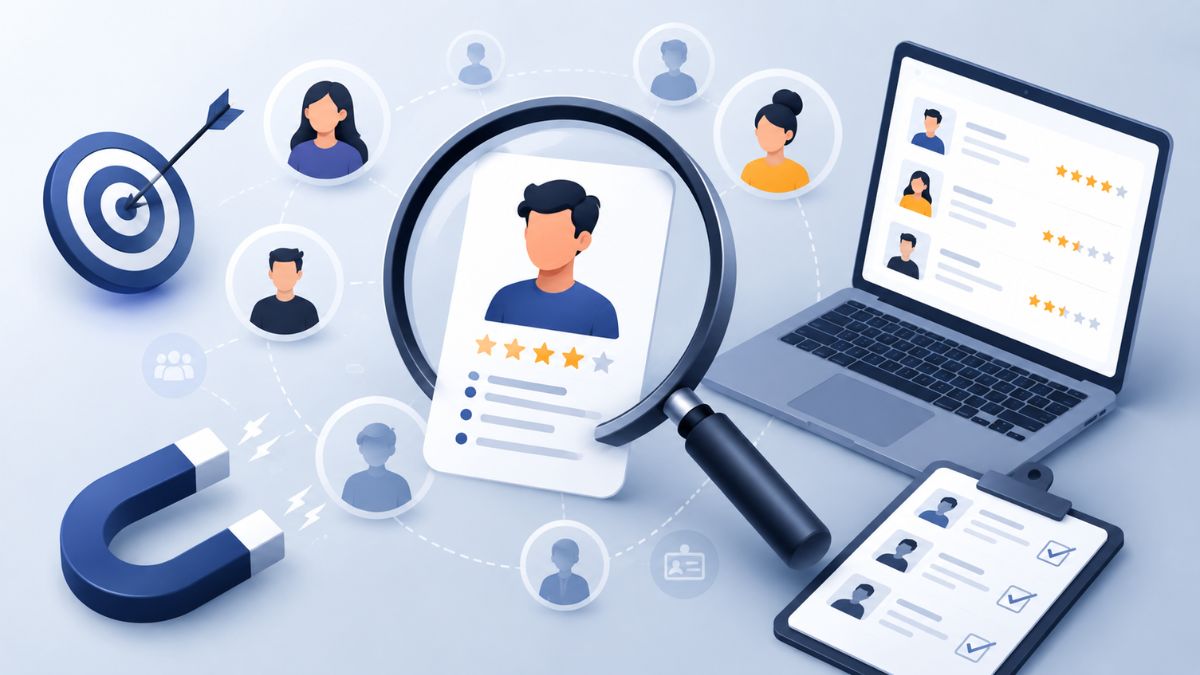
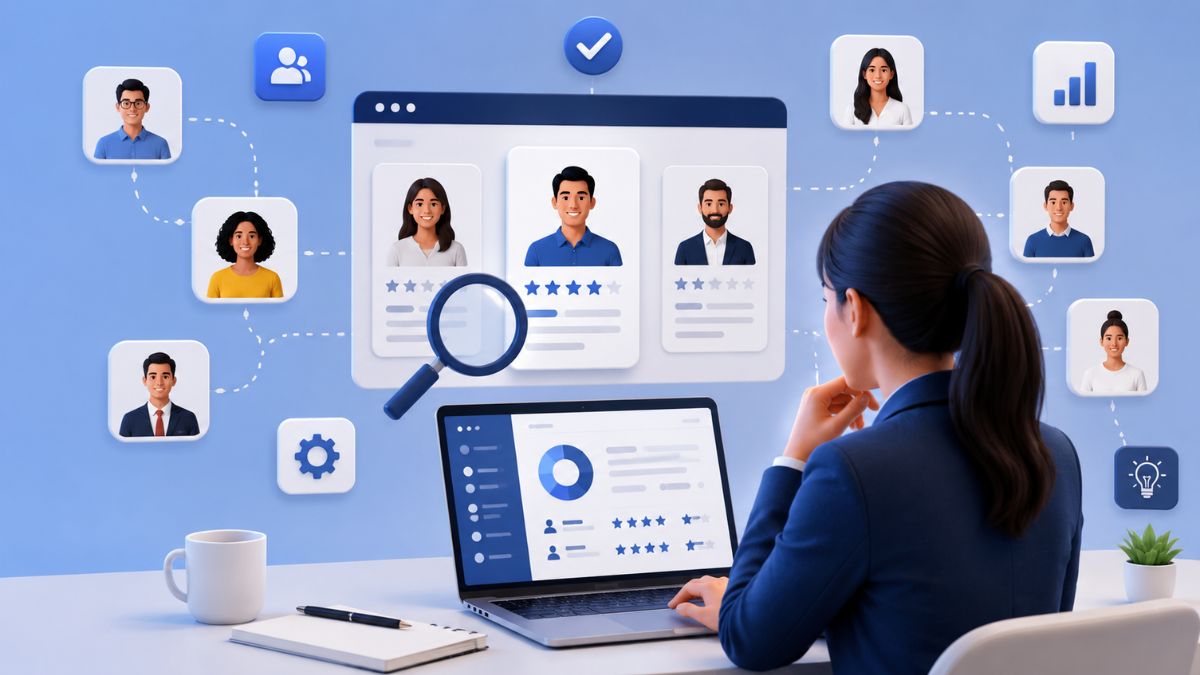
At its core, talent sourcing software is a sourcing platform that aggregates profiles, applies AI‑driven matching, and automates outreach—all from a single dashboard. It’s not an applicant tracking system; it’s the engine that finds candidates before they ever apply.
Why Sourcing Matters for Healthcare Talent
- Clinician shortages are projected to hit 124,000 openings by 2030 (AAMC).
- Turnover rates for nurses average 17%, costing hospitals up to $31,000 per departure.
- Passive clinicians often hold the most specialized certifications, yet they rarely browse job boards.
That means you need a proactive approach. Traditional recruiting software simply can't keep pace with the speed and compliance demands of a bustling health system.
Core Categories of a Modern Sourcing Platform
Database Search
Think of this as the raw talent pool. Tools like SmartRegistry™ pull from public sites, licensed databases, and internal credentialing records to build a comprehensive talent pool. Some even crawl specialty forums where radiologists discuss case studies.
AI Driven Matching
AI looks at experience, licensure, shift preferences, and even cultural fit scores. The algorithm surfaces candidates who match your criteria with a confidence rating—often 85% or higher. For teams evaluating these capabilities, understanding how AI is changing resume screening can help distinguish genuine skills-based matching from simple keyword filtering.
Outreach Automation
Tools like SmartSource™ let you send personalized messages at scale, schedule follow‑ups, and track responses once you have a list. If a nurse clicks a link, the system logs that engagement and nudges you to act.
Benefits That Hit the Bottom Line
- Faster time‑to‑fill: Companies report a 30‑45% reduction in days open.
- Improved diversity: AI can blind certain fields, opening doors for underrepresented groups.
- Passive engagement: Reach clinicians who aren’t actively looking but are open to the right offer.
Imagine cutting a 60‑day vacancy for a cardiac tech to just 35 days. That’s a real impact on patient care continuity.
Top Talent Sourcing Platforms at a Glance
| Platform | AI Matching | Sourcing Channels | Outreach Automation | Healthcare Compliance |
| Gem | Yes | LinkedIn, GitHub, Referrals | Yes | None specific |
| SeekOut | Yes | Academic, Publications | Limited | Basic GDPR |
| HireEZ | Yes | Job boards, Social | Yes | None |
| Loxo | Yes | ATS Sync, Social | Yes | None |
| Cadient | Yes | Clinical credential DB, HIPAA-compliant sources | Yes | HIPAA, Credentialing |
Notice the gap? Most vendors ignore the regulatory nuances that hospitals wrestle with daily.
Pricing Models and Free Trials
Most platforms charge per user or per search credit. Gem starts at $199 per seat per month, while SeekOut offers a $5,000 annual enterprise fee. Cadient provides a flexible subscription based on candidate volume, with a 30‑day free trial that includes full AI capabilities.
User Reviews Summary
On G2, Gem scores 4.3/5 for “Ease of Use,” SeekOut 4.1 for “Data Quality,” and Cadient 4.5 for “Healthcare Fit.” Reviewers love Cadient’s compliance reporting, but they wish the UI was a tad more intuitive.
What Competitors Miss: Healthcare‑Specific Compliance
Hospitals must protect PHI and meet credentialing standards. A sourcing platform that doesn’t encrypt data to HIPAA levels can expose you to fines of $25,000 per violation. Cadient encrypts at rest and in transit, logs every data pull, and offers audit trails that satisfy auditors.
Integration with EHR and HRIS Systems
When your sourcing tool talks directly to Epic or Cerner, you can pull real‑time staffing gaps and push qualified candidates straight into the HRIS workflow. Cadient ships pre‑built connectors for Workday, SAP SuccessFactors, and even smaller niche solutions used by community hospitals. Integration also creates an opportunity to make better use of the hidden gold in your ATS, including previously screened candidates who may already have relevant experience or credentials.
ROI Case Study: Cutting Turnaround Time for Clinical Staffing
One midsize health system faced a 45‑day average fill for ICU nurses. After deploying Cadient’s AI matching, they reduced that to 22 days—a 51% improvement. With an average nurse salary of $78,000, the estimated annual savings topped $1.2 million.
Evaluation Checklist for Vendor Demos
Use this list as your cheat sheet when you sit down with a sales rep. Tick each box before you sign a contract.
- Data Sources: Does the platform ingest licensure databases, hospital credentialing files, and public profiles?
- AI Transparency: Can you see the factors influencing match scores?
- Compliance: Is HIPAA encryption guaranteed? Are audit logs available?
- Integration: Does it sync with your EHR, HRIS, and ATS?
- Support: 24/7 help desk, dedicated implementation manager?
- Scalability: Can you add new locations without extra licensing?
- Pricing Clarity: No hidden per‑search fees?
Common Objections and How to Address Them
Budget Concerns
It’s tempting to think a $200 per seat tool will save money, but without AI you’ll still spend hours manually searching. The ROI calculator in Cadient shows a break‑even point after just three hires.
Data Privacy Fears
Ask for a security whitepaper. Look for SOC 2 Type II compliance and documented HIPAA Business Associate Agreements. Cadient provides these on request.
AI Trust Issues
Run a “bias audit.” Compare match scores against a known diverse candidate set. If the platform flags any disproportionate weighting, you’ve found a red flag.
Implementation Timeline and Change Management
Week 1: Data import and integration testing.
Week 2‑3: Pilot with one department (e.g., Emergency Medicine).
Week 4: Review metrics, adjust AI parameters.
Week 5‑6: Roll out to remaining units.
Make sure you assign a “sourcing champion” who can train hiring managers and champion best practices.
What You’ll Miss If You Skip a Demo Checklist
Many leaders sign contracts after a glossy slide deck and end up with a tool that can’t pull credentialed RN data or that forces you to export candidates manually. Using the checklist above guarantees you see the core functionality in action, not just a marketing video.
Final Thoughts
Talent sourcing software isn’t a nice‑to‑have—it’s a must‑have for any health system battling clinician shortages. The right platform gives you AI‑powered matches, compliance confidence, and seamless integration with the systems you already rely on. If you focus on the checklist, run a short pilot, and measure real‑world ROI, you’ll avoid the common pitfalls that plague other buyers.
Ready to see how AI can shrink your fill time and keep your staffing board compliant? Book a demo of Cadient’s AI‑powered healthcare sourcing platform today and discover the difference a truly healthcare‑focused solution can make.
[LINK: How AI Improves Nurse Recruitment]
[LINK: 5 Ways to Reduce Time‑to‑Hire in Healthcare]