





Ever wondered why the best talent often comes from a colleague’s recommendation? Employee referral software is the bridge that turns casual suggestions into a streamlined hiring engine. In the first 100 words you’ll see how this tool speeds up employee referral hiring, slashes cost‑per‑hire, and lifts candidate quality—all without adding extra admin headaches.
What Is Employee Referral Software
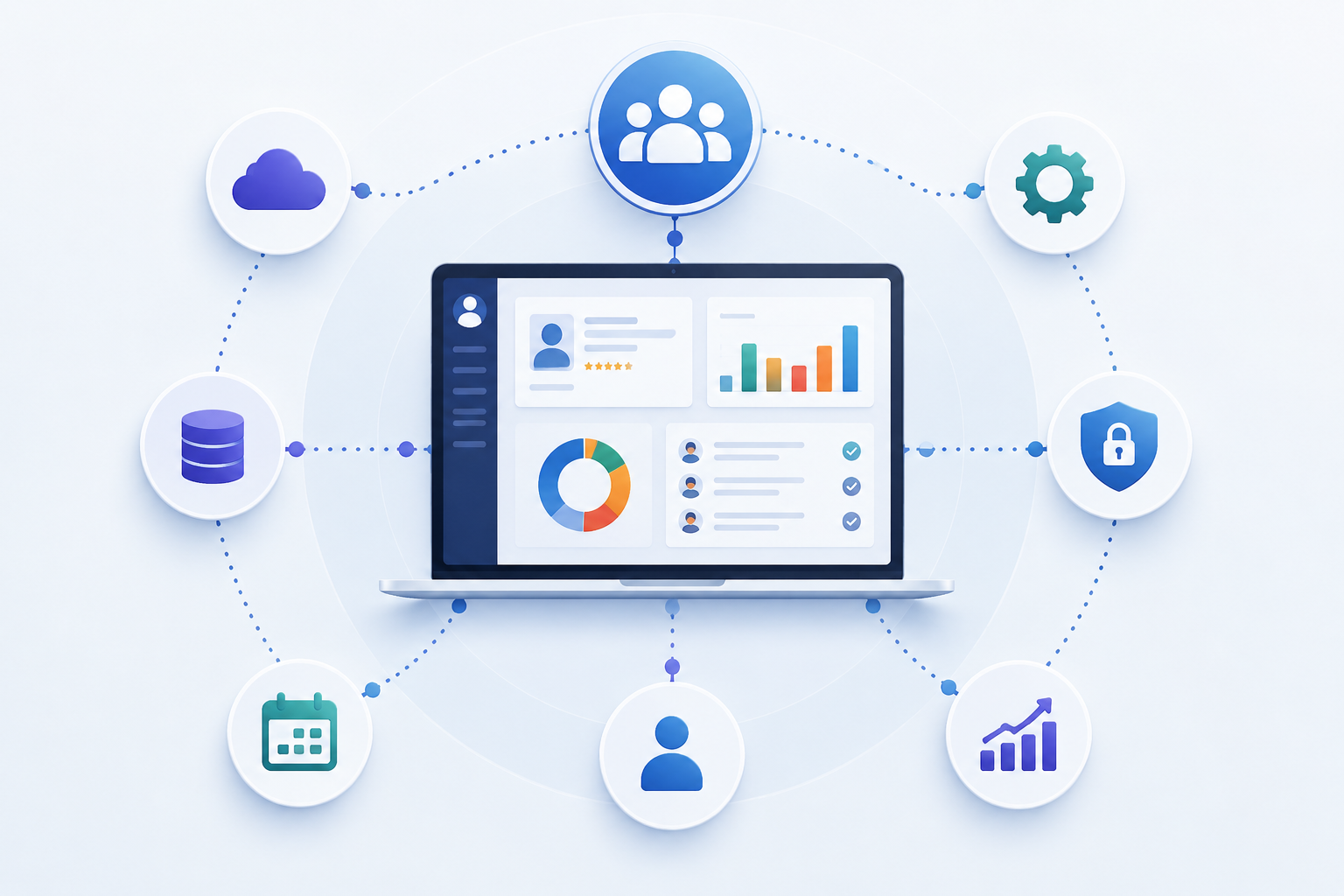
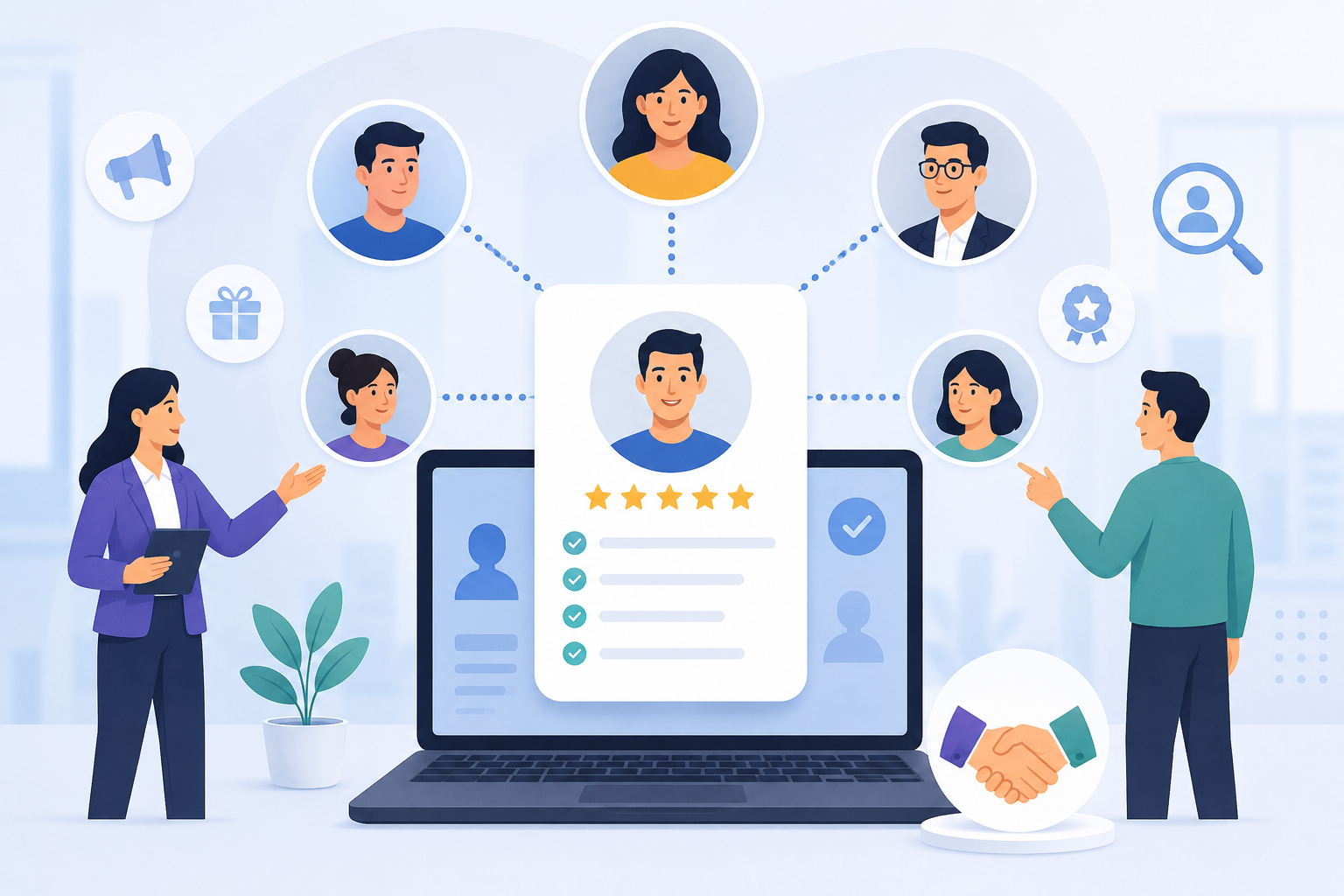
At its core, employee referral software is a digital platform that lets your workforce submit, track, and reward candidate referrals. Think of it as a self‑service portal where employees paste a LinkedIn link, upload a resume, or even share a job via a mobile app. The system then routes the submission to recruiters, logs every click, and triggers payout rules automatically.
Why Employee Referrals Are Important in Recruitment
Studies show that referred hires stay 45% longer than those sourced elsewhere. They also tend to hit productivity targets 30% faster. Simply put, your people know people who fit your culture, and leveraging that network cuts the time‑to‑fill metric dramatically.
Key Features of Employee Referral Software
- Mobile‑friendly referral portals – employees can refer on the go, using Android or iOS apps.
- Automated bonus calculations – no more Excel sheets.
- Integration with ATS and HRIS – data flows without manual entry.
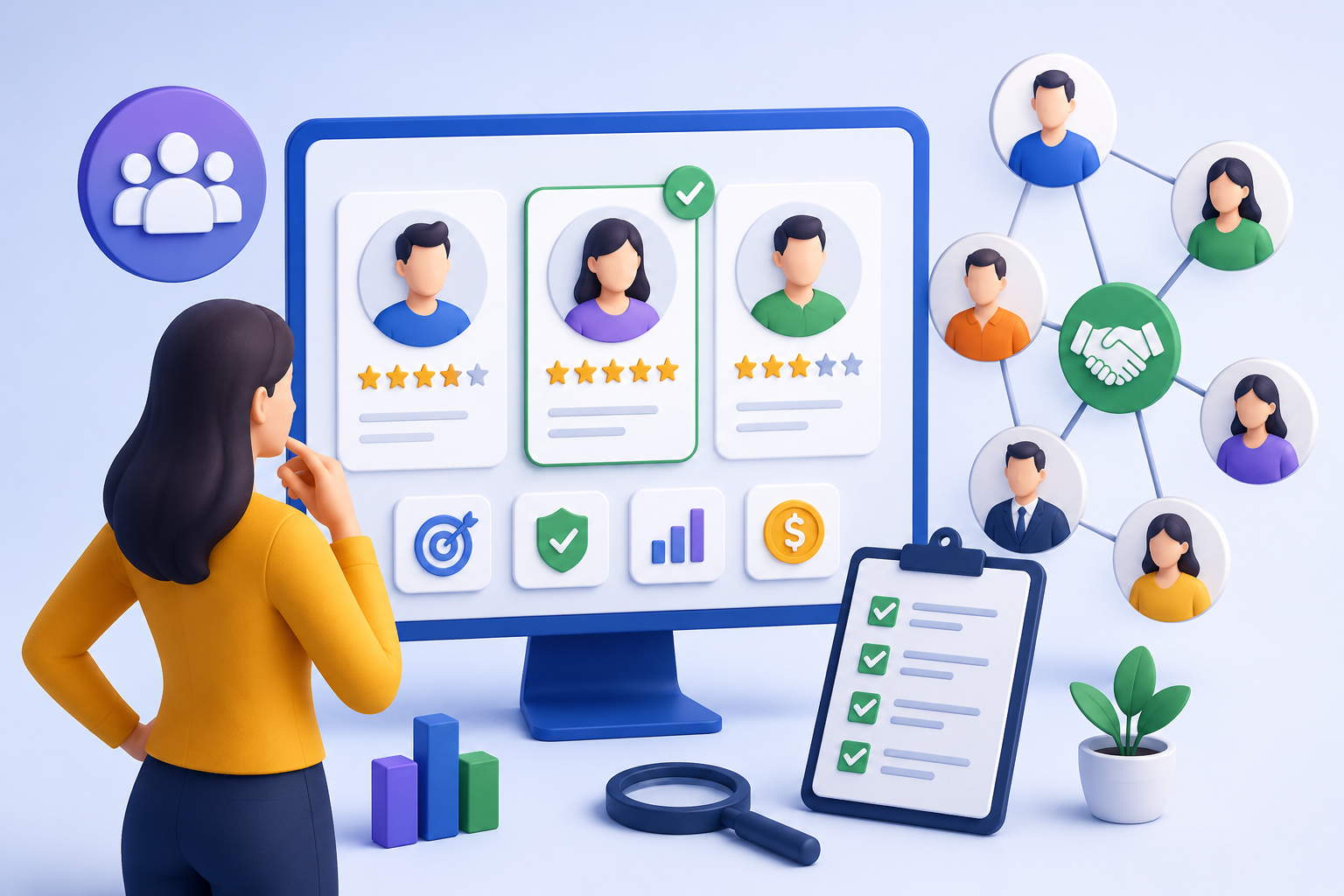
- Analytics dashboards that show conversion rates, source quality, and ROI.
- Gamified leaderboards and badge systems to spark friendly competition.
Benefits of Using Employee Referral Program Software
First, speed. The average time‑to‑hire drops from 42 days to 27 when referrals are tracked in real time with tools like SmartRefer™. Second, cost savings. Companies report a 20‑35% reduction in cost‑per‑hire because advertising spend plummets. Third, quality. Referral recruiting software surfaces candidates who already have a cultural fit stamp from a trusted employee.
How Employee Referral Software Improves Hiring Efficiency
Automation is the secret sauce. When a referral lands, the system instantly checks for duplicate resumes, flags compliance issues, and notifies the hiring manager. No more chasing emails or lost spreadsheets. And because the workflow is standardized, every recruiter follows the same steps, which reduces bias and accelerates decision‑making.
Employee Referral Software vs Manual Referral Programs
Manual programs rely on paper forms or email threads—highly error‑prone and invisible to leadership. In contrast, referral management software offers a single source of truth. You can see exactly how many referrals each employee submitted, how many moved to interview, and the eventual hire rate. That transparency drives accountability and higher participation.
Best Practices for Building a Successful Employee Referral Program
Start by communicating clear reward structures. Employees love knowing whether they’ll earn a $1,000 bonus, extra vacation days, or a fun trophy. Next, keep the referral experience simple: one‑click sharing, pre‑filled fields, and a mobile-friendly interface. Finally, celebrate wins publicly—share success stories on the intranet or at all‑hands meetings.
Common Challenges and How Software Solves Them
Many firms wrestle with duplicate submissions. Referral automation software detects matches instantly, eliminating wasted effort. Another pain point is uneven participation; gamification features like points and tiered rewards keep the momentum alive. Security is also a concern—modern platforms encrypt data and comply with GDPR and CCPA, protecting both employee and candidate information.
Measuring Success with Employee Referral Analytics
Key metrics include referral source conversion, average time‑to‑hire for referred candidates, and referral‑related cost savings. A typical dashboard will show that 56% of hires came from referrals, compared with 22% from job boards, and that each referral saved roughly $4,500 in advertising spend. Use these numbers to calculate ROI and justify budget allocations.
Industries Benefiting Most from Employee Referral Hiring
Tech startups love referrals because they need niche engineers quickly. Healthcare providers see lower turnover when nurses are recommended by peers. Retail chains benefit from seasonal hires who already understand brand culture. In each case, the referral channel trims hiring cycles and improves fit.
Integration with ATS and HRIS Platforms
Seamless integration is where many solutions truly shine. When the referral platform pushes data straight into your ATS, recruiters see the candidate’s journey without opening another system. Likewise, syncing with HRIS updates bonus payouts automatically, eliminating payroll headaches. Companies that integrated their referral software with Greenhouse or Workday reported a 15% reduction in administrative time.
Gamification and Incentive Models
Points, leaderboards, and badge collections turn referrals into a game. Imagine a quarterly “Top Referrer” leaderboard where the winner earns a weekend getaway. Tiered rewards—$500 for a successful hire, $1,500 for a senior role—motivate employees to think strategically about who they recommend. Data shows gamified programs boost participation by up to 40%.
Real World Case Studies
TechCo rolled out a referral automation platform in 2022. Within six months, they filled 30 software engineer roles in 18 days, compared to the previous 34‑day average. Their referral‑to‑hire ratio jumped from 12% to 28%, saving an estimated $210,000 in external recruiter fees.
HealthPlus integrated referral management software with their HRIS. The result? A 22% drop in time‑to‑fill nursing positions and a 35% increase in employee engagement scores because staff felt their network mattered.
RetailWave introduced gamified challenges during the holiday hiring surge. Participation rose from 8% to 27% of the workforce, and the company met its seasonal staffing goals two weeks early.
Future of Employee Referral Software
The next wave will blend AI with referrals. Imagine an algorithm that suggests the best internal advocate for a role based on skill graphs and past hires. Predictive hiring models like SmartTenure™ will forecast which referrals are likely to stay beyond 12 months, letting you focus on the highest‑impact candidates.
In short, employee referral software isn’t just a nice‑to‑have add‑on; it’s a strategic lever that accelerates hiring, cuts costs, and strengthens culture. By choosing a solution that integrates with your ATS, embraces gamification, and delivers real analytics, you’ll turn every employee into a recruiter and watch your talent pipeline thrive.