
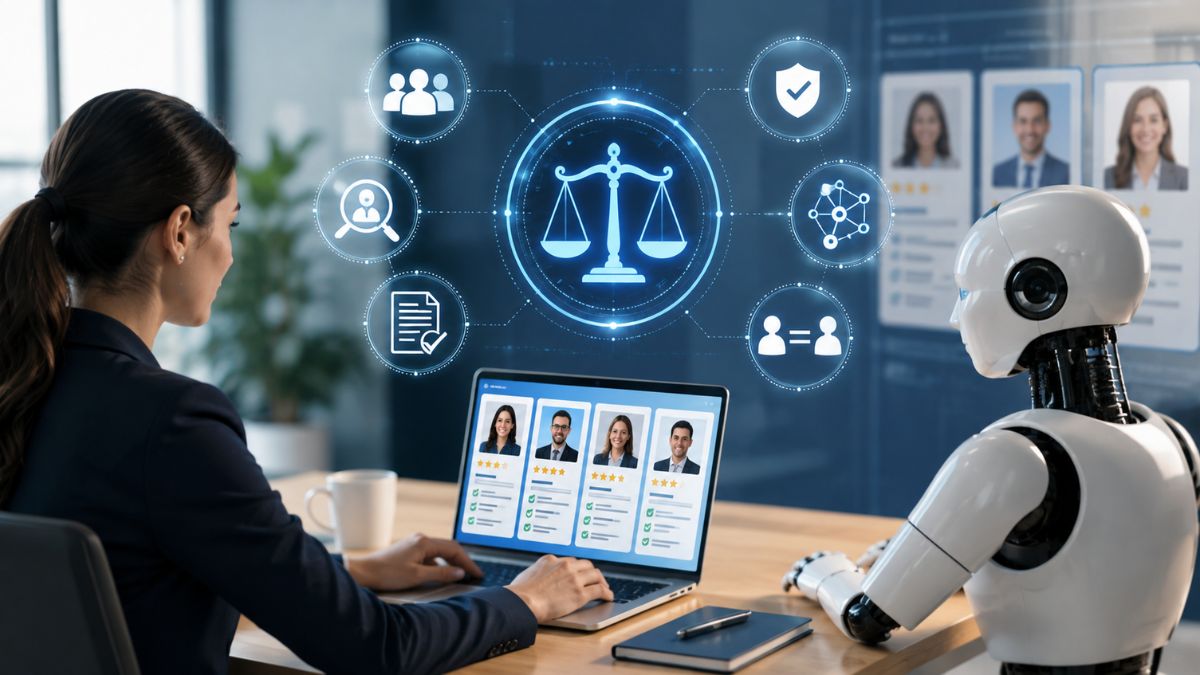





In 2026 the phrase EEOC AI hiring tools 2026 pops up in every compliance forum, and for good reason. The EEOC’s AI guidance has become the baseline, but new court rulings and state rules are reshaping how we use algorithmic screening. If you’re a recruiter, HR manager, or compliance officer, you need a clear map of risk, documentation, and defensive practices—right now.
What the EEOC AI Guidance Looks Like Today
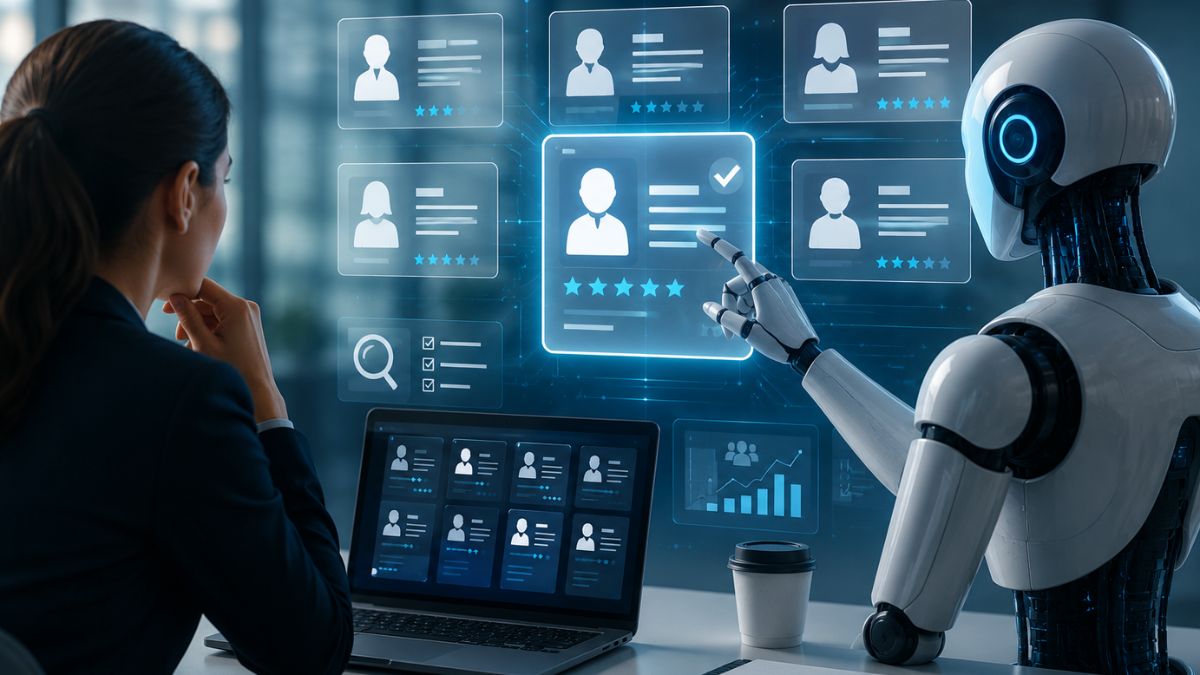
The EEOC’s AI guidance warned employers that any automated decision‑making system that screens candidates could create adverse impact AI screening if it reproduces historic bias. It asked employers to conduct a disparate impact analysis, keep detailed logs, and treat algorithms as “assistive tools,” not final arbiters. Since then, the agency has issued two clarifying notices that stress transparency and the need for human‑in‑the‑loop validation.
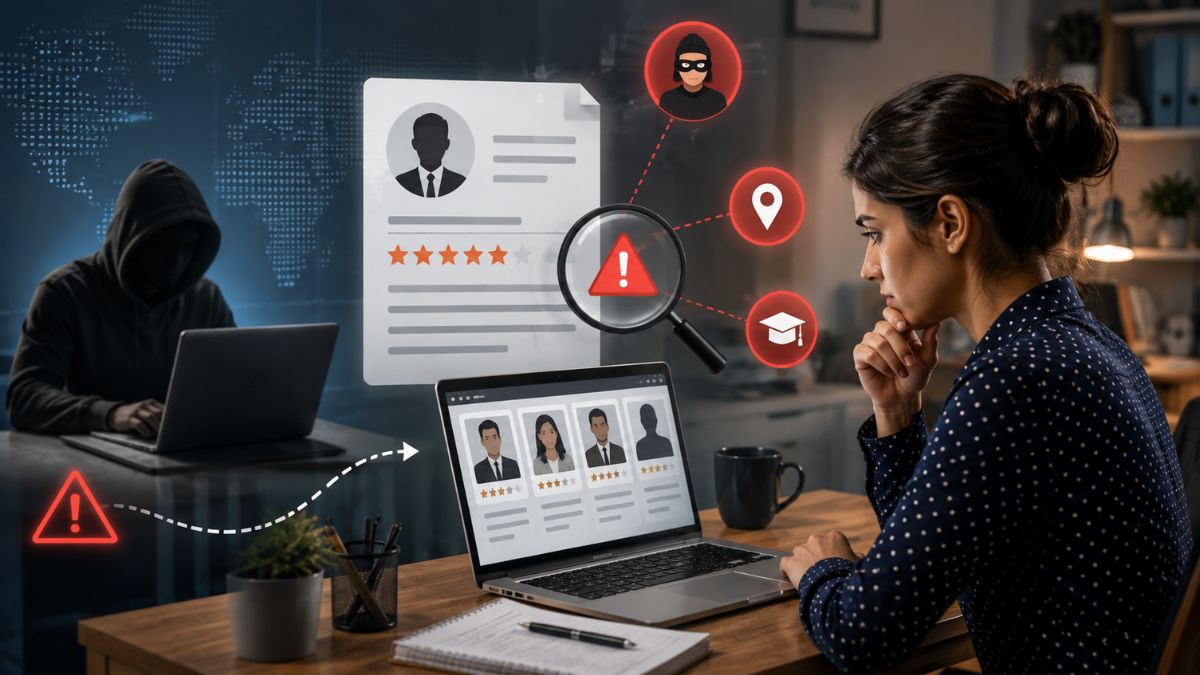
In practice, the guidance means you can’t simply deploy a black‑box resume parser and walk away; tools like SmartScore™ provide a unified 0‑100 scoring system that aggregates hiring signals into transparent, auditable scores. The agency expects you to ask: “Does this model treat women, older workers, or people with disabilities differently?” and to have evidence ready if the EEOC shows up. Employers should also understand the legal limits on researching candidates online, since information gathered outside formal screening tools can create additional compliance and discrimination risks if used improperly.
Understanding Adverse Impact and Disparate Impact in AI
Adverse impact happens when a selection rate for a protected group falls below 80 % of the rate for the group with the highest selection. That classic 4/5 rule, born in the 1970s, still applies to AI‑driven screening. When a model tags certain keywords as “high risk,” it may inadvertently penalize applicants from under‑represented groups.
Recent bias studies—like the Stanford HAI report that found facial analysis tools misclassify Black faces 30 % more often—show why the EEOC’s focus on disparate impact remains relevant. In a nutshell, if your AI tool screens out 30 % of qualified veterans while keeping 50 % of non‑veterans, you’ve got a problem. Regular adverse impact analysis in hiring helps organizations identify these patterns early and make adjustments before they turn into compliance issues.
Real‑World Audit: A 2025 Case Study
Acme Tech, a mid‑size software firm, faced an unexpected EEOC audit in March 2025 after a complaint alleged age discrimination. Their AI sourcing platform flagged candidates older than 45 as “low fit” based on historical performance data that excluded senior developers from recent promotions.
Acme’s HR team ran a retrospective impact analysis and discovered a 22 % selection gap for the 45‑plus cohort. By retraining the model with age‑neutral features and inserting a human reviewer for every automated score, they reduced the gap to 5 % within three months. The EEOC closed the case with a warning, but the firm saved $250 k in potential settlements.
This story underlines two truths: bias can hide in data you trust, and swift remediation works. If you’re reading this, you can skip the costly lesson by following a solid compliance checklist.
How State Regulations Interact with Federal Guidance
While the EEOC sets the national floor, states like Illinois and Washington have taken a harder line. Illinois’ Artificial Intelligence Video Interview Act requires consent before using AI to analyze video responses. Washington’s AI Hiring Law bans the use of any tool that predicts “future job performance” without a documented bias‑test.
If you operate across state lines, you must align federal compliance with the strictest state rule. In practice that means a unified policy, a vendor contract that acknowledges each jurisdiction, and a regular audit that flags divergent requirements.
Defensive Use: Human‑In‑The‑Loop and Ongoing Validation
One of the easiest ways to stay defensible is to keep a person in the loop for every AI decision that could affect a hiring outcome. That doesn’t mean you must review every resume manually; it means a qualified HR professional signs off on the final shortlist before an offer is extended.
Beyond that, schedule quarterly model validation. Pull a random sample of 200 screened candidates, compare the AI scores to actual interview performance, and calculate the impact ratio. If the ratio shifts beyond 10 %, trigger a remediation plan. Pairing AI screening with structured interviews reduce bias and are EEOC-defensible, giving employers an additional safeguard against inconsistent hiring decisions.
Documentation You Must Keep
The EEOC expects a paper trail. Here’s what you should store for at least three years:
- Impact studies: Full disparate impact analysis reports, including selection rates by protected class.
- Vendor contracts: Clauses that require the provider to disclose model architecture, bias‑testing methodology, and update schedules.
- System logs: Timestamped records of every AI decision, the data used, and the human sign‑off status.
- Remediation actions: Documentation of any model adjustments, retraining efforts, or policy changes made after a bias discovery.
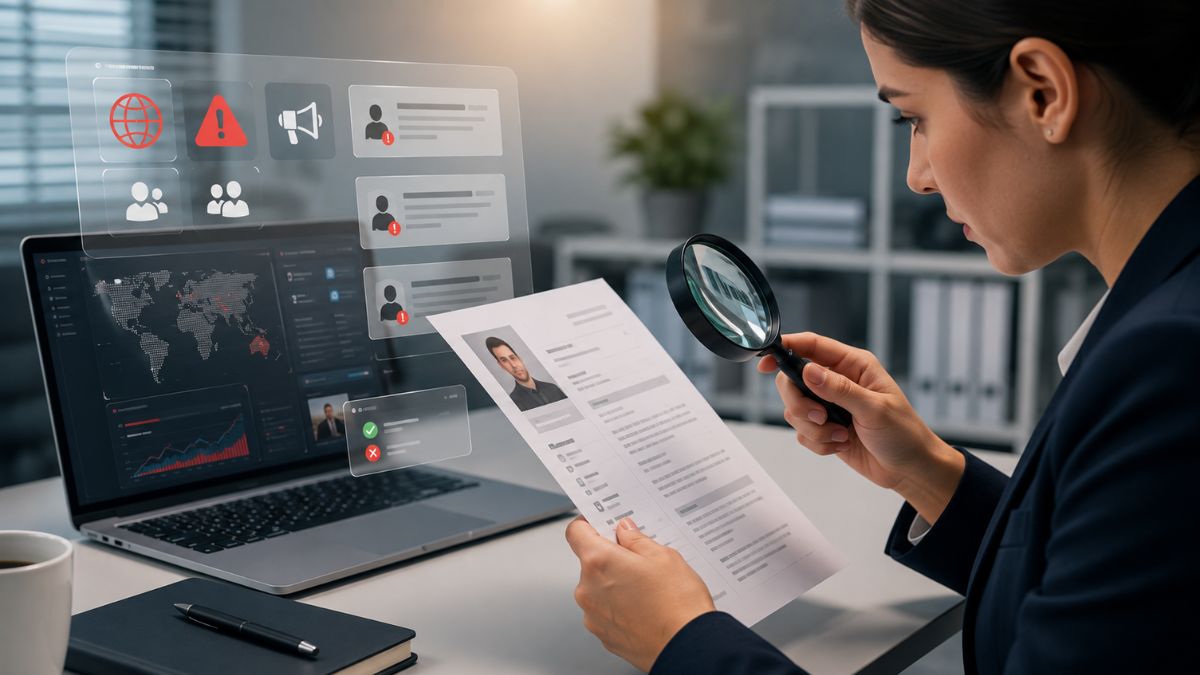
Remember, if the EEOC asks for evidence, you’ll need to hand it over quickly. A tidy, searchable folder system can shave hours off a response. Maintaining EEOC defensible rejection documentation alongside audit logs and validation reports makes it easier to demonstrate that hiring decisions were based on legitimate, job-related criteria.
8‑Step Compliance Checklist
This checklist is the heart of the guide. Follow it like a pre‑flight check before you launch any new AI hiring tool.
- Identify every AI tool in your talent stack—sourcing bots, resume parsers, video interview analyzers, and predictive analytics dashboards.
- Gather vendor documentation that details model training data, bias‑testing results, and update frequency.
- Run a baseline impact analysis using the 4/5 rule across gender, race, age, and disability categories.
- Map state requirements for each jurisdiction where you hire, noting consent and disclosure obligations.
- Implement human‑in‑the‑loop checkpoints for any decision that moves a candidate from “screened” to “interview.”
- Set up quarterly validation with a cross‑functional team of data scientists, HR, and legal counsel.
- Document remediation steps whenever the validation reveals a disparity greater than 10 %.
- Audit and archive all logs, impact reports, and contracts in a secure, searchable repository.
Tick each box, and you’ll have a defensible position if the EEOC or a state agency comes knocking.
Practical Audit Worksheet (Downloadable)
We’ve built a spreadsheet you can copy straight into Excel or Google Sheets. It includes columns for tool name, vendor, data source, impact ratio, state compliance flags, and remediation notes. Click the button below to download the AI Hiring Audit Worksheet and start populating it today.
FAQ for Recruiters
Do I need to bias‑test every AI tool?
Yes. The EEOC’s guidance treats each tool as a separate decision point. Even a simple keyword ranking engine can produce disparate impact if its logic favors certain language patterns over others.
What records must I keep?
You need impact studies, vendor contracts, system logs, and any remediation documentation. Store them in a format the EEOC can review—PDFs or searchable CSV files work best.
How does the EEOC enforce AI rules?
The agency can launch an investigation after a charge, a whistleblower tip, or a routine audit. If they find a violation, they may seek back‑pay, injunction relief, and civil penalties up to $25,000 per violation.
Can I rely on an AI vendor’s compliance claim?
Only as a supplement to your own due diligence. Review the vendor’s bias‑testing methodology, ask for raw test data, and verify that the results align with your own impact analysis.
Is a human‑in‑the‑loop approach enough?
It’s a strong layer, but you still need documentation of the human review, validation metrics, and a process for overriding AI decisions when bias is detected.
SmartShield: Your Compliance Partner
Feeling a bit overwhelmed? Tools like SmartShield™ offer a free compliance audit that walks you through each step of the 8‑step checklist, provides a customized impact analysis template, and flags state‑specific requirements.
Sign up below, get the audit worksheet, and receive a monthly newsletter that tracks changes in EEOC AI guidance and state regulations.
Key Takeaways
First, the EEOC’s AI guidance remains the cornerstone, but 2026 brings stricter enforcement and new state rules. Second, adverse impact can hide in any algorithm, so run a baseline impact study for each tool. Third, keep meticulous records—impact reports, vendor contracts, logs, and remediation steps. Fourth, adopt a human‑in‑the‑loop workflow and quarterly validation to stay defensible. Finally, use the downloadable audit worksheet and consider a partner like SmartShield to keep the process manageable.
Stay proactive, stay documented, and you’ll navigate the evolving world of AI hiring without a hitch.