





Remote Hiring Trends and the Rising Threat Landscape
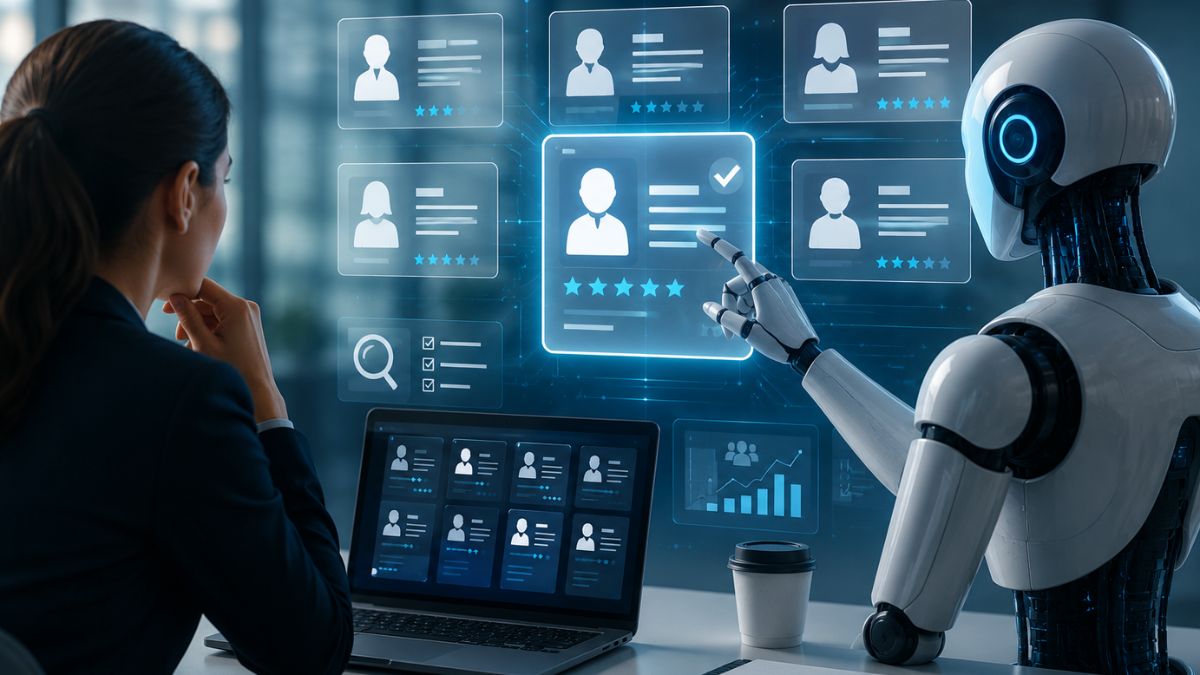
Over the past three years, 78% of midsize firms shifted at least 50% of their hiring to a fully virtual model. That speed‑up left many HR teams scrambling to replace door‑step checks with screen‑shares and PDFs. Remote hiring fraud prevention isn’t a buzzword anymore; it’s a daily battle for recruiters who once relied on handshakes and badge scanners.
Now ask yourself: if you can’t see a candidate’s shoes, how do you know they’re really the person on the résumé? The answer lies in rebuilding trust with technology and process, not by hoping the next Zoom call will be “real.”
Traditional Safeguards That Disappear When You Go Remote
When you bring the interview to a screen, several physical checkpoints vanish overnight.
- In‑person identity verification at the front desk.
- Badge‑swipe access logs that prove a candidate entered a building.
- Live, on‑site assessments where a hiring manager can spot nervous fidgeting.
- Casual office tours that reveal cultural fit in real time.
And without those touchpoints, scammers find a cleaner path to slip false credentials into your pipeline.
Types of Fraud That Surge in a Virtual Environment
Remote hiring has opened the door for a handful of fraud tactics that were rare in a brick‑and‑mortar setting.
Proxy Interview Fraud
Imagine a savvy applicant hiring a friend to sit in front of the camera while they sip coffee at home. The proxy speaks the required language, answers technical questions, and even nods at “your” experience. Because the interview is recorded, the deceit can persist for weeks before anyone notices a mismatch. This is where proxy interview detection becomes important, particularly when remote interviews involve technical or high-value roles.
But why does this happen more often online? No one can check the candidate’s ID against a badge reader, and the video frame often only shows the upper torso – perfect for a stand‑in.
Fabricated Identities and Credential Lies
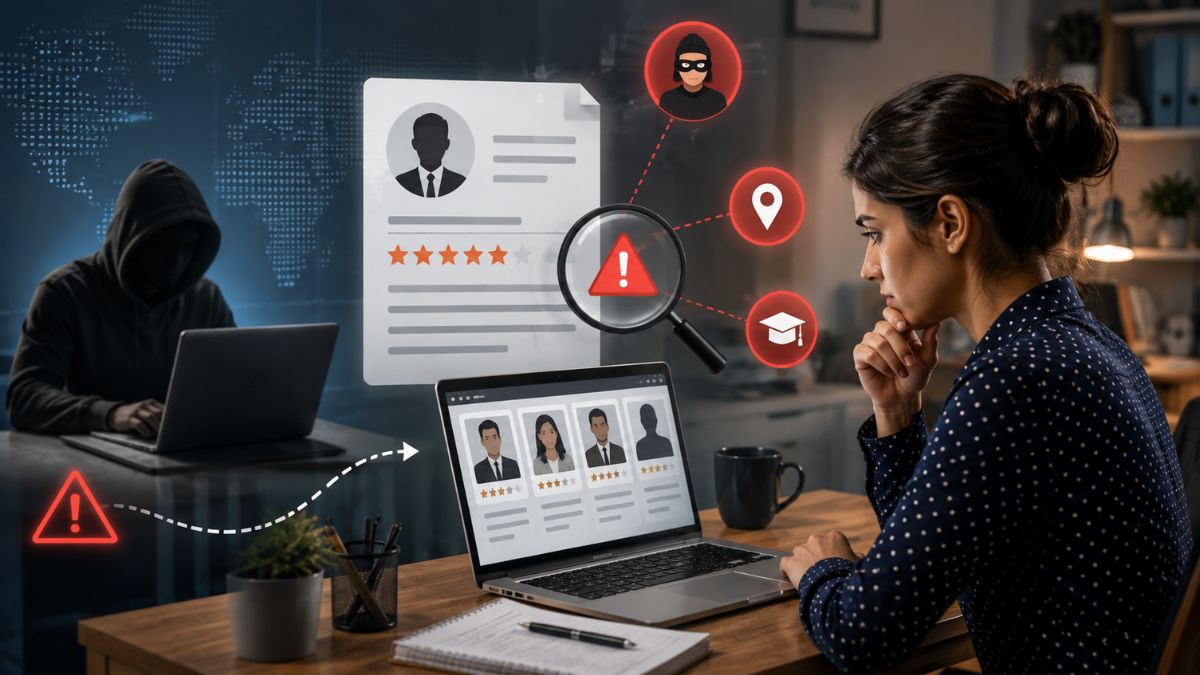
Scammers now generate realistic LinkedIn profiles, forge diplomas, and even create mock company websites to back up a fake work history. A recent study from HireVue showed that 22% of remote applicants submitted at least one fabricated credential, up from 11% in on‑site hiring two years ago.
And because you can’t hand‑check a diploma in person, the false document slides straight into your ATS. The growing sophistication of candidate identity fraud in 2026 makes identity verification an increasingly important part of the remote hiring process.
Deep‑Fake Video Threats
Deep‑fake technology has hit a tipping point. A 2023 experiment demonstrated that a synthetic video of a candidate answering technical questions could fool even seasoned interviewers 68% of the time. Those videos can be pre‑recorded and sent as “live” interviews, bypassing any chance for spontaneous probing.
Now, if you think a polished video is a safety net, think again. It’s just another layer for fraudsters to hide behind.
Statistical Snapshot Remote vs On‑Site Resume Fraud Rates
Data doesn’t lie. According to the 2024 Remote Hiring Integrity Report, remote résumé fraud accounts for 1.9% of all hires, versus 0.8% for traditional office hires. That’s more than double the risk. In the tech sector, the gap widens to 3.4% versus 1.2%.
And if you look at the “work from home candidate fraud” category, the numbers climb even higher – 4.7% of remote hires reported at least one misrepresented skill or credential.
Step‑by‑Step Mitigation Strategy for Remote Hiring Fraud Prevention
Here’s a practical playbook you can start using today, without buying a whole new HR stack.
- Secure ID Verification – Ask candidates to upload a government ID and then run a real‑time facial match against their live video feed.
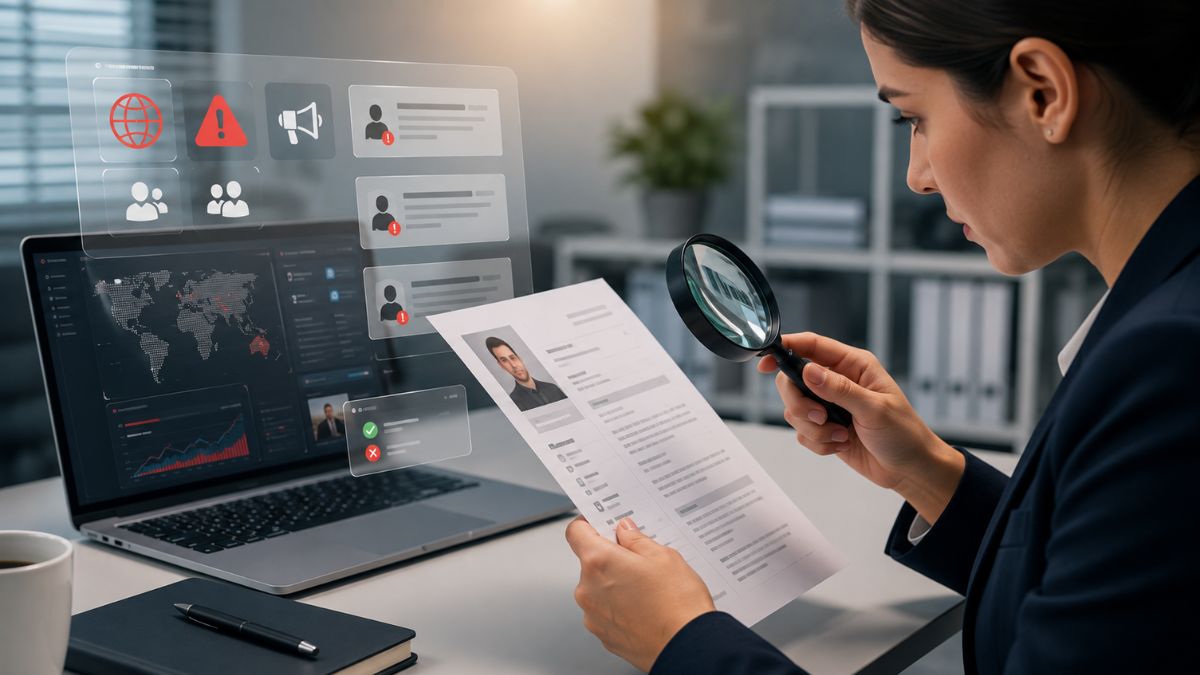
- AI‑Driven Document Analysis – Use tools that scan PDFs for inconsistencies, check original university seals, and flag altered files.
- Controlled Interview Environments – Require a 360‑degree camera view for technical assessments and random “show‑me‑your‑workspace” checks.
- Multi‑Factor Authentication and Biometrics – Send a one‑time code to the candidate’s phone before each interview stage and, where possible, employ voice‑print verification.
- Continuous Monitoring – Keep an eye on candidate activity in your ATS; sudden spikes in profile updates can signal a fraudster scrambling to cover tracks.
And don’t forget to document every step. Auditable trails help you stay compliant and give you evidence if a fraud claim ever reaches legal counsel.
Secure ID Verification
You’ll want to go beyond a simple photo upload. Platforms that cross‑reference the ID’s MRZ (machine‑readable zone) with a government database can confirm authenticity in seconds. Pair that with a live selfie request, and you’ve cut the proxy interview window dramatically.
AI‑Driven Document Analysis
These engines look for subtle font changes, pixel-level tampering, and metadata mismatches. For employment checks, recruiters can also explore how to verify employment history without calling, using digital records and automated verification methods where appropriate. In a pilot with a Fortune 500 firm, AI screening reduced fake diploma submissions by 72% within the first month.
Controlled Interview Environments
Ask candidates to keep a short, visible object – like a coffee mug with today’s date – on their desk during the call, and consider using tools like SmartScreen™ to automate phone interviews and standardize assessments. It sounds silly, but it forces a real person to be present, not a pre‑recorded clip.
Multi‑Factor Authentication and Biometrics
One‑time passcodes are cheap and effective. Add a voice‑print check for senior roles, and you’ve built a layered defense that’s hard for fraudsters to crack.
Legal and Compliance Considerations
Remote hiring fraud isn’t just a financial headache; it can land you in hot water with regulators. The EEOC warns that any verification process must be nondiscriminatory, meaning you can’t ask for more documentation from one protected class than another.
So, make sure your remote screening policies are documented, applied uniformly, and stored securely. And involve your legal team when you introduce biometric checks – privacy laws differ wildly by state.
Building a Fraud‑Resistant Remote Hiring Workflow
Picture a hiring pipeline that feels like a fortified castle, not an open garden.
- Stage 1: Automated resume parsing with fraud‑flag alerts.
- Stage 2: Secure ID check and live facial match before any interview.
- Stage 3: AI‑verified document upload, followed by a short “authenticity interview.”
- Stage 4: Controlled video interview with 360° view and random workspace verification.
- Stage 5: Final MFA before the offer is generated.
Now you’ve got a repeatable process that weeds out imposters before they reach the offer stage.
FAQ About Remote Hiring Fraud
- What is the most common form of work from home candidate fraud? Fabricated credentials – especially fake degrees – top the list, accounting for roughly 45% of reported cases.
- Can AI actually catch deep‑fake videos? Yes. Modern AI can detect subtle eye‑movement anomalies and pixel inconsistencies, flagging 68% of deep‑fakes in pilot tests.
- How much does a comprehensive remote hiring fraud prevention solution cost? Prices vary, but many SaaS vendors offer tiered plans starting at $2 per candidate screened, which can save companies tens of thousands in fraud‑related expenses.
- Do I need to get candidate consent for biometric checks? Absolutely. Transparent consent language and a clear privacy policy are mandatory under most state laws.
- Is it legal to ask for a live video of my workspace? As long as you apply the request consistently and keep the data secure, it’s generally permissible.
Why SmartShield Is the Answer for Remote Hiring Fraud Prevention
Tools like SmartShield™ bundle ID verification, AI document analysis, and secure video interview rooms into one platform. In a recent client case, SmartShield cut resume fraud investigations from an average of 12 days to just 2 days, slashing related costs by 58%.
And because SmartShield integrates with popular ATS systems, you won’t need to rebuild your workflow – you simply add a fraud‑filter layer. For any organization that’s serious about remote hiring, SmartShield turns a risky process into a controlled, auditable one.
Conclusion
Going fully remote unlocks talent pools you never imagined, but it also opens the door to new fraud tactics. The safeguards that once lived on office doors and badge scanners have vanished, leaving you with proxy interviews, fabricated identities, and even deep‑fake videos to contend with.
By pairing data‑driven insights with practical steps – secure ID checks, AI‑driven analysis, controlled interview environments, and multi‑factor authentication – you can build a hiring pipeline that’s both flexible and fraud‑resistant. Remember, the numbers are clear: remote résumé fraud is now twice as common as its on‑site counterpart.
If you’re ready to protect your brand, your budget, and your future hires, start exploring a dedicated solution like SmartShield today. The remote hiring landscape will keep evolving, but with the right defenses, you’ll stay one step ahead of the fraudsters.