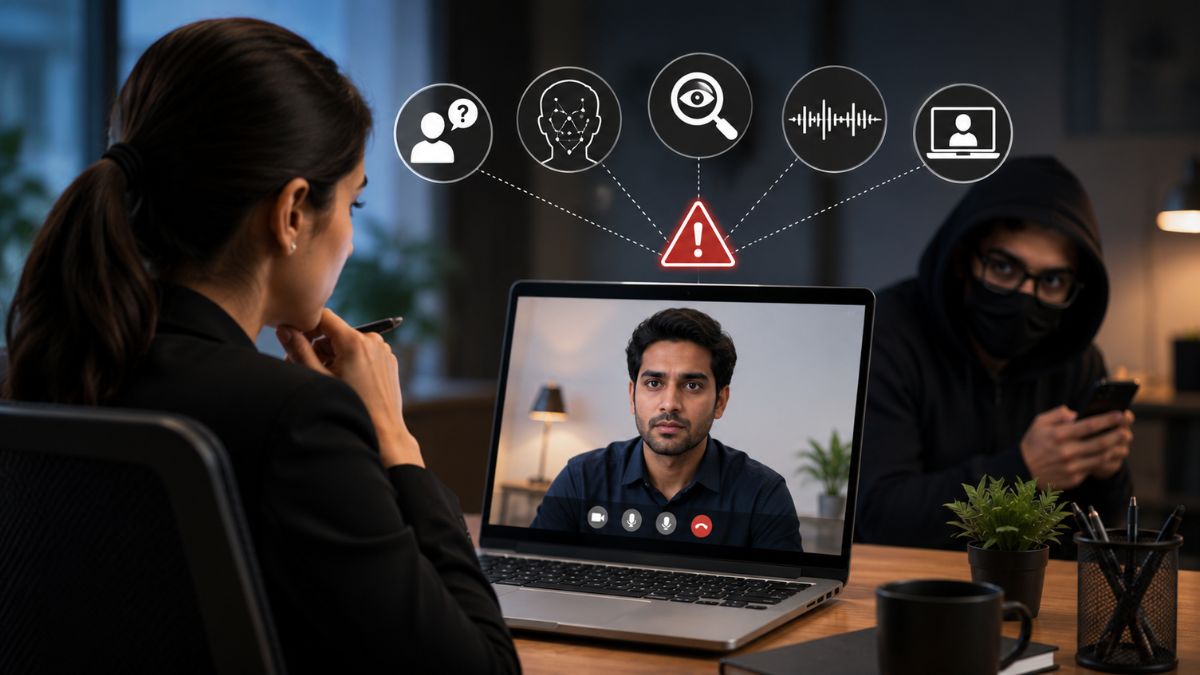





What Are Proxy Interviews
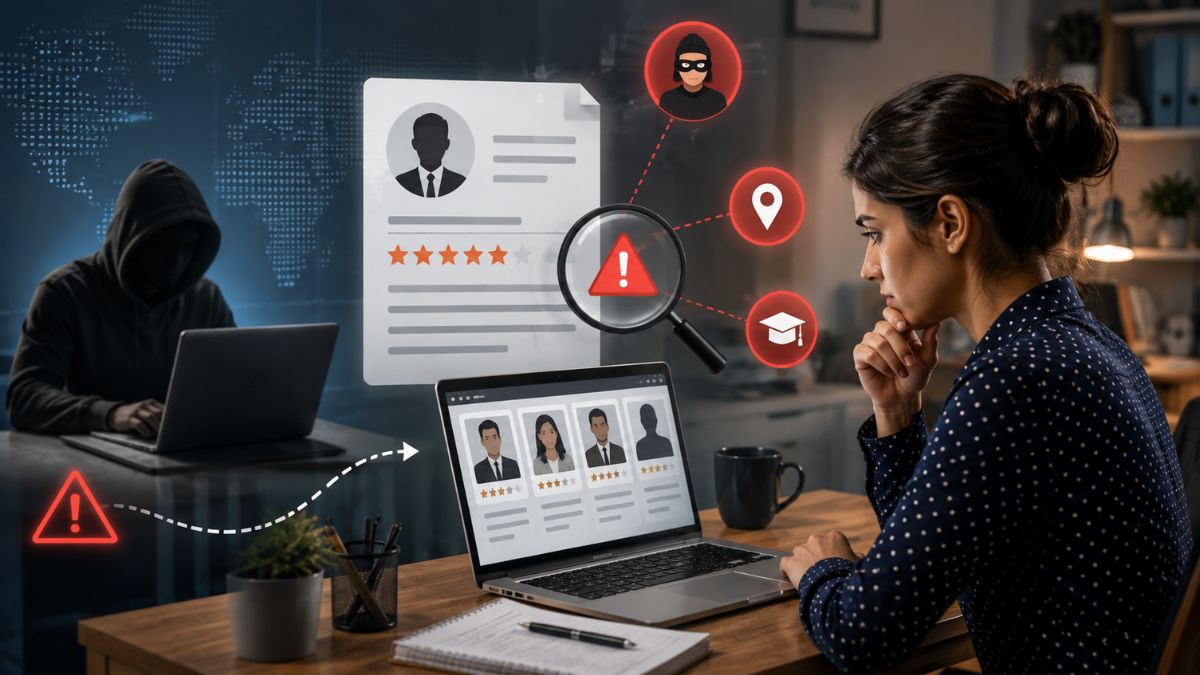
In a proxy interview, the person who shows up on screen isn’t the applicant you invited. It’s a form of interview impersonation that can slip past a casual check.
Think of it like a job‑seeker sending a stand‑in to answer your questions while they hide elsewhere. The fraud can be human, AI‑generated, or even a deep‑fake video.
When you’re hiring at scale, the risk multiplies. One rogue candidate can waste hours of recruiter time and skew your hiring metrics.
Why They Happen in Remote Hiring
Remote hiring shrinks the physical gatekeeper that once verified a candidate’s identity. A Zoom link and a résumé feel like enough proof.
Pressure is a big driver. Candidates know a single interview can make or break a $70k salary offer, so they resort to shortcuts. Throughout the hiring journey, two-way texting to maintain candidate contact also helps recruiters confirm interview schedules, reduce communication gaps, and quickly notice unexpected changes that may require additional verification.
Tools like SmartScreen™ illustrate how technology can also provide the solution. The same tools that enable video calls also enable deepfakes and AI voice cloning.
And let’s be honest: some recruiters simply don’t have a solid verification process built into their workflow. These gaps in remote hiring practices help explain why candidate identity fraud rising in 2026 has become a growing concern for employers across industries, prompting organizations to strengthen their verification processes.
6 Detection Signals During Interview
- Audio‑lag or mismatched lip sync. If the voice trails the mouth by a fraction of a second, ask yourself whether the speaker is live.
- Eye‑movement oddities. A sudden stare at the camera or avoidance of eye contact can betray a proxy who’s watching a screen.
- Tone shifts. Notice a smooth professional tone that flips to a casual accent halfway through? That’s a red flag.
- Inconsistent knowledge. When you ask a role‑specific scenario, the answer feels rehearsed or generic.
- Background anomalies. The décor changes subtly, or a phone rings in the background that doesn’t belong to the candidate.
- Device fingerprints. A sudden change in screen resolution or bandwidth can indicate a switch between devices.
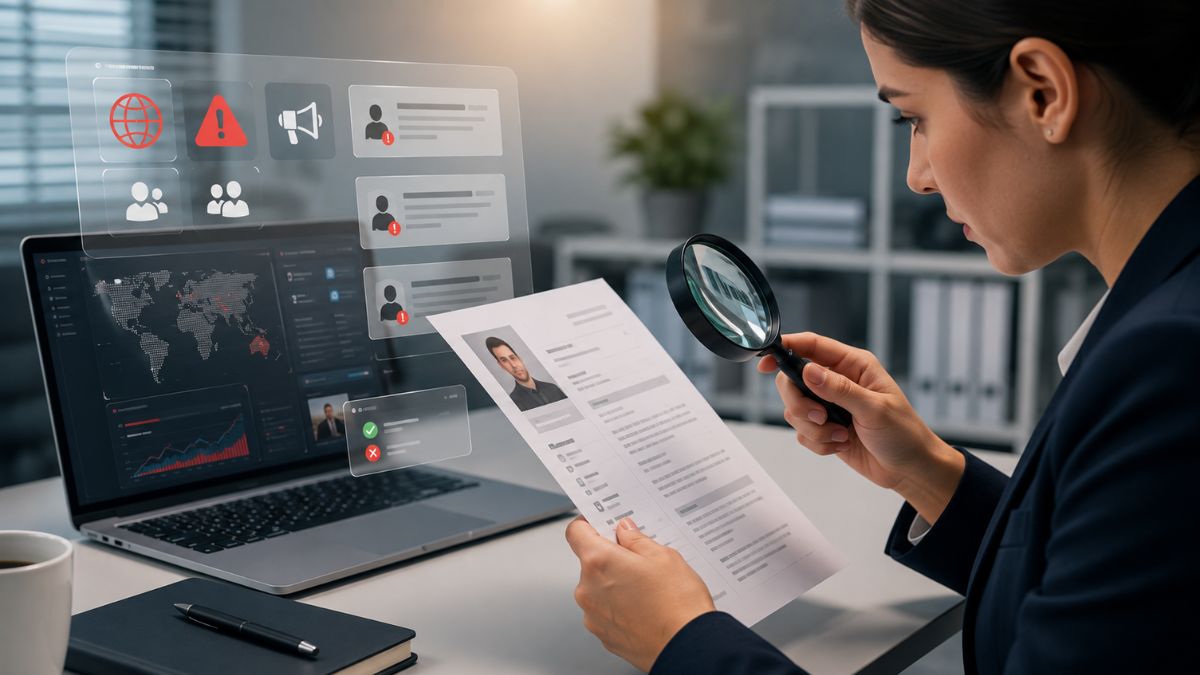
Spotting any two of these cues should put you on alert and trigger the next step in your detection workflow. Recruiters can further reduce the risk by preparing structured interview questions that verify identity, encouraging candidates to discuss real project experiences, decision-making, and role-specific details that are difficult for an impersonator to fake.
Pre‑Interview Verification Steps
Don’t wait until the interview to confirm identity. A solid front‑end check saves you from the “someone else doing interview” nightmare.
Step‑by‑Step Verification Workflow
1. Collect a government‑issued ID. Ask for a clear photo of the ID and a selfie holding it.
2. Live‑photo match. Use a tool that overlays the ID photo with the live webcam feed in real time.
3. Biometric check. If you have consent, run a quick facial‑recognition scan to match the selfie against the ID.
4. Two‑factor confirmation. Send a code to the candidate’s verified phone or email right before the interview starts.
5. Record the verification step. Store the short video clip for audit purposes, respecting privacy regulations.
That workflow takes under five minutes and dramatically reduces remote interview fraud risk.
Integration Checklist for AI‑Driven Detection Tools
AI can flag subtle cues a human might miss. Here’s what to look for when plugging a detection engine into your ATS.
- Real‑time lip‑sync analysis.
- Keystroke dynamics for any written assessment during the interview.
- Background noise classification to spot voice‑over recordings.
- Continuous sentiment scoring to catch sudden emotional swings.
- Data privacy compliance (GDPR, CCPA) built into the vendor’s API.
If the tool checks these boxes, a solution like SmartShield™ gives you a solid safety net for spotting both human and AI proxies.
What to Do When You Suspect a Proxy Interview
Suspicions can feel awkward, but addressing them promptly protects your brand and your bottom line.
First, pause the interview politely. Say something like, “I’m hearing a slight echo—could we run a quick verification?” This keeps the tone professional.
Second, switch to a verification channel. Share a one‑time code via SMS that the person on camera must enter.
If the code fails, politely end the call and follow your documented policy. Document the incident, preserve the video, and notify HR.
Legal steps vary by jurisdiction, but generally you should: (1) inform the candidate of the breach, (2) give them a chance to explain, and (3) decide whether to disqualify them based on your policy.
Finally, feed the incident back into your detection metrics. Track detection rate, false‑positive rate, and time saved.
Impact Analysis: Cost of Proxy Interviews vs. ROI of Detection Solutions
A single fraudulent interview can cost anywhere from $200 in recruiter time to $5,000 in a missed hiring opportunity. Multiply that by 100 hires a year, and you’re looking at a six‑figure hidden loss.
Investing in a verification suite that costs $10,000 annually can shave 30% off that waste. That’s a $12,000–$15,000 return in the first year alone.
Beyond dollars, consider brand reputation. Candidates talk. A company known for thorough verification attracts higher‑quality talent.
Frequently Asked Questions
How common is proxy interview fraud?
Recent surveys estimate that 7‑12% of remote interviews involve some form of impersonation, with AI‑generated deepfakes on the rise.
Can deepfake technology fool our existing tools?
Yes, but AI‑driven detection that analyzes pixel‑level inconsistencies and audio‑visual sync can still catch most synthetic videos.
What privacy concerns should I watch for?
Collect only the data you need, store it encrypted, and delete it after the hiring decision is final. Transparency with candidates is key.
Do I need legal counsel for every suspected case?
Not for every incident, but having a template response vetted by counsel saves headaches if the situation escalates.
SmartShield—Fortify Your Hiring Pipeline
Ready to fortify your hiring pipeline? SmartShield offers a turnkey verification suite that blends ID matching, live‑photo overlay, and AI‑driven proxy detection.
Sign up for a free 14‑day trial and see a 40% reduction in proxy interview fraud within the first month.
In short, spotting a proxy interview isn’t magic—it’s methodical. By embedding verification steps, training your team on subtle cues, and leveraging AI, you turn a hidden threat into a manageable risk. Stay vigilant, stay compliant, and keep your hiring process as honest as it can be.